PRE-SLAB
Arizona-Wide
Metal buildings engineered to code, permitted through your municipality, and backed by a licensed engineer stamp — from first call to final set.
Free Estimate
90 seconds · No obligation · Chase calls back same day
From personal storage to agricultural operations — engineered for Arizona's climate.
Secure, weatherproof steel storage — better than any wooden shed and built to last decades.
Build yours →Enclosed space for working on vehicles, running a business, or housing equipment with a proper overhead door.
Build yours →Open-sided vehicle cover for shade and weather protection. Can go on gravel or concrete depending on your setup.
Build yours →Tack rooms, equipment storage, hobby buildings, and farm-and-property structures — sized to what you need.
Build yours →Have something specific in mind? Chase can size, spec, and engineer a building to exactly what you need.
Talk to Chase →Steel framed. Concrete footed. Engineer certified. Here's what that actually means.
Steel paneling for walls, roof, and trim — engineered for UV, heat, and monsoon season, not the Pacific Northwest.
Heavy-gauge steel frame. Welded and galvanized. Not wood that warps, swells, or rots after two monsoon seasons.
Permanent buildings go on concrete. Open-sided carports and RV covers can go on gravel, depending on the build and local jurisdiction. We'll advise on what's right for your project.
A licensed engineer stamps every design. Structural certification is standard — not an upgrade you pay extra for.
From state line to state line — your building is engineered to meet local code wherever you are in Arizona. We handle the drawings.
Chase walks every customer through the full process. You'll know what's happening at every step — no surprises, no runaround.
Chase picks up the phone. Straight answers, no pressure, and a rep who knows the product and the process — from first call to final inspection.
Not sure if your property can support a steel building? We'll find out for you.
Before you spend time and money on a design, it helps to know what your property actually allows. Chase's team will research your parcel and pull all the relevant information: zoning classification, setback requirements, HOA restrictions, permit jurisdiction, and any other property-specific factors that affect whether and how you can build.
You can take that information and run with it — use it to make a decision, hire another contractor, or proceed with us. It's your information.
We charge $500 to complete the due diligence report on your property. If you decide to move forward with a building purchase, that $500 goes directly toward your deposit. If you decide not to build, you keep the report.
Or call Chase directly: (928) 228-6154
Plan for approximately ±4 months from first call, depending on permitting. Here's every step.
Size, orientation, door and window placement, color. Chase walks you through every decision on the phone — no guessing required.
Within 3–5 business days you'll get a call from our engineering team to confirm all specs. This locks in your design.
While engineering finalizes drawings (2–3 weeks), we draft the site plan you'll need for your permit application.
We submit your engineer drawings and site plan to your local municipality. Arizona permits typically take about 45 business days.
Once your permit is in hand, concrete and building lead time is 4–6 weeks. This is when things start moving fast.
Our crew or a trusted third party pours your slab. We coordinate timing so your building is ready to set immediately after cure.
Your building arrives, gets set on your slab, and you're ready to use it the same day. That's the end of the process.
Many buildings go on a concrete foundation — but not all. Here's how to know what your project needs.
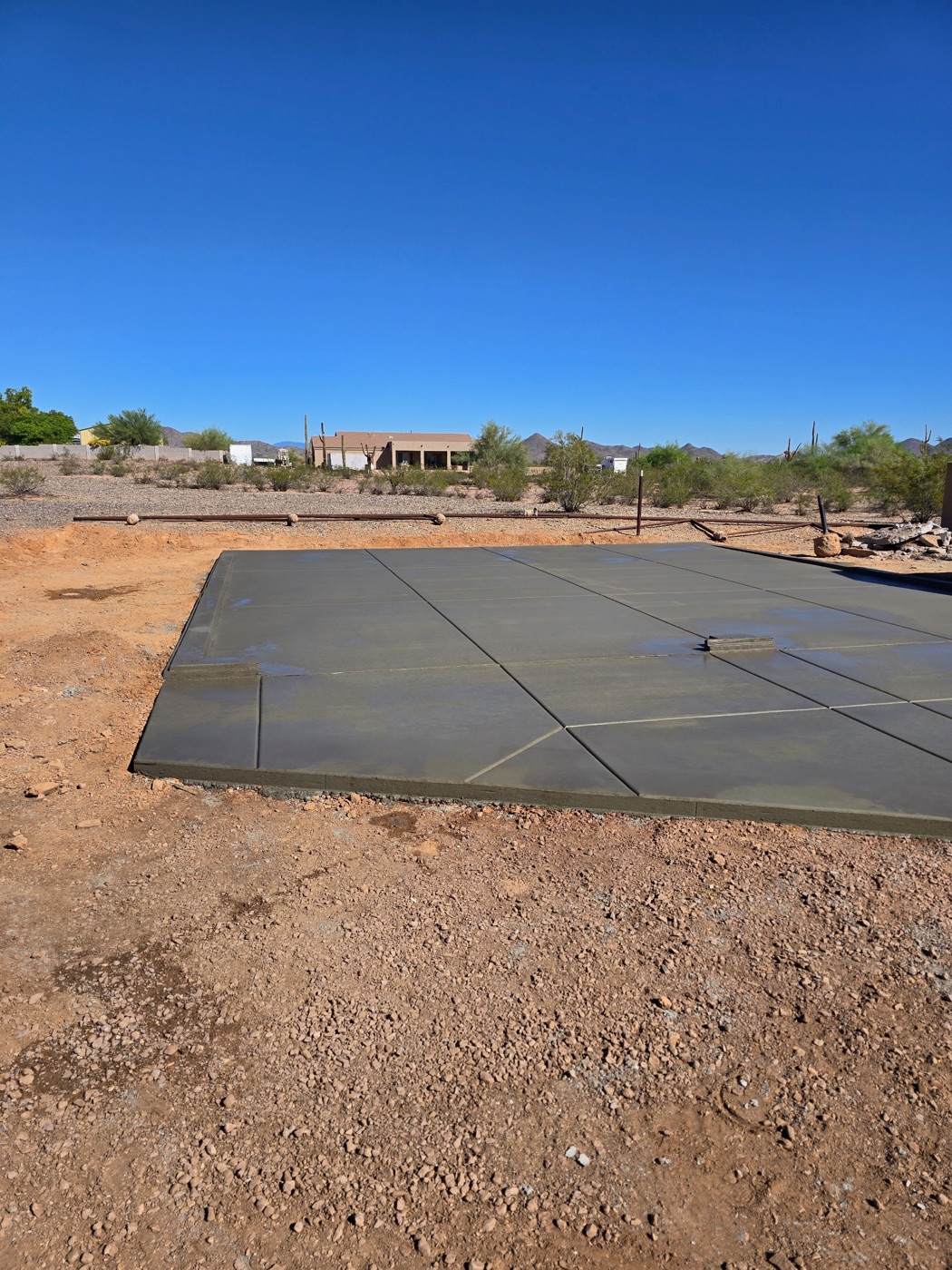
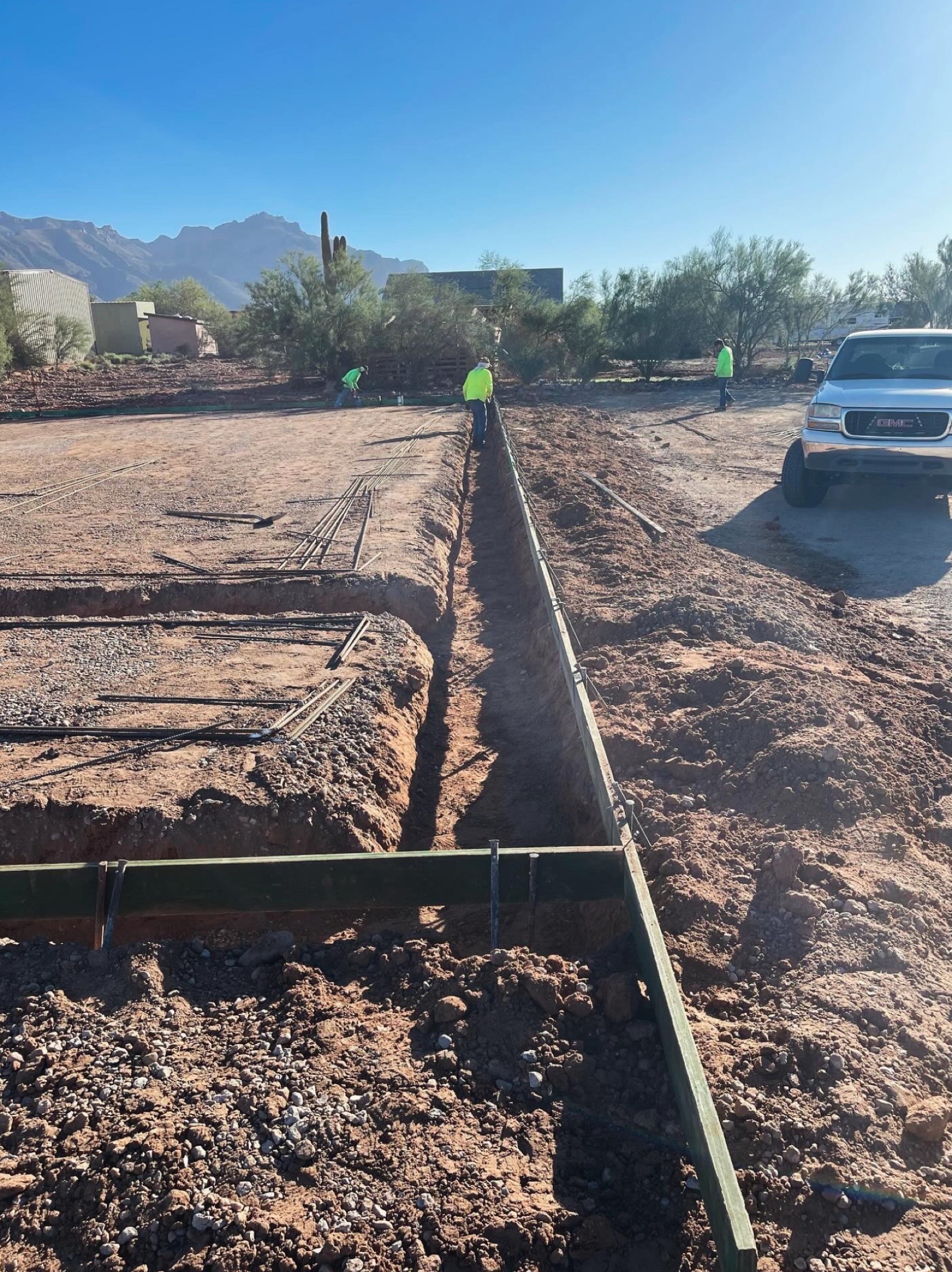
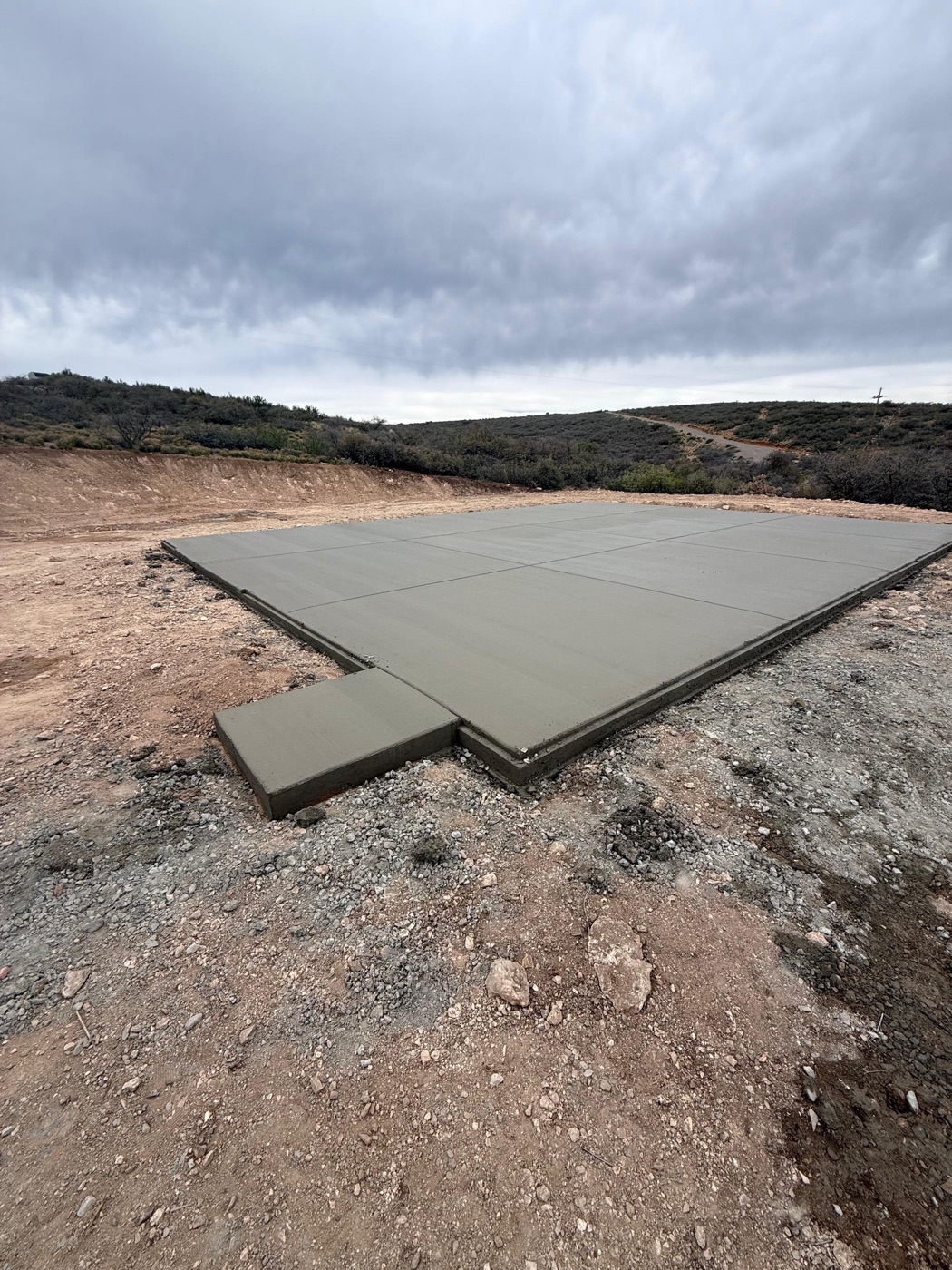
Enclosed buildings — garages, workshops, storage — typically go on a concrete slab. It keeps the building plumb, doors operating correctly, and the structure stable through Arizona's soil movement and temperature swings.
Open-sided carports and RV covers often go on gravel or an existing surface — concrete isn't always necessary. The right foundation depends on your building type, use, and what your local jurisdiction requires. Chase will walk you through what makes sense for your specific project.
In most Arizona jurisdictions, any structure over a certain square footage requires a building permit. Threshold varies by city and county.
Our company policy: we do not install any building that warrants a permit without one. If a customer wants to skip the permit, they can purchase the building as a kit. We submit the full permit package: engineer-stamped structural drawings plus your site plan. You don't have to navigate municipal offices or figure out what's required.
PRE-SLAB
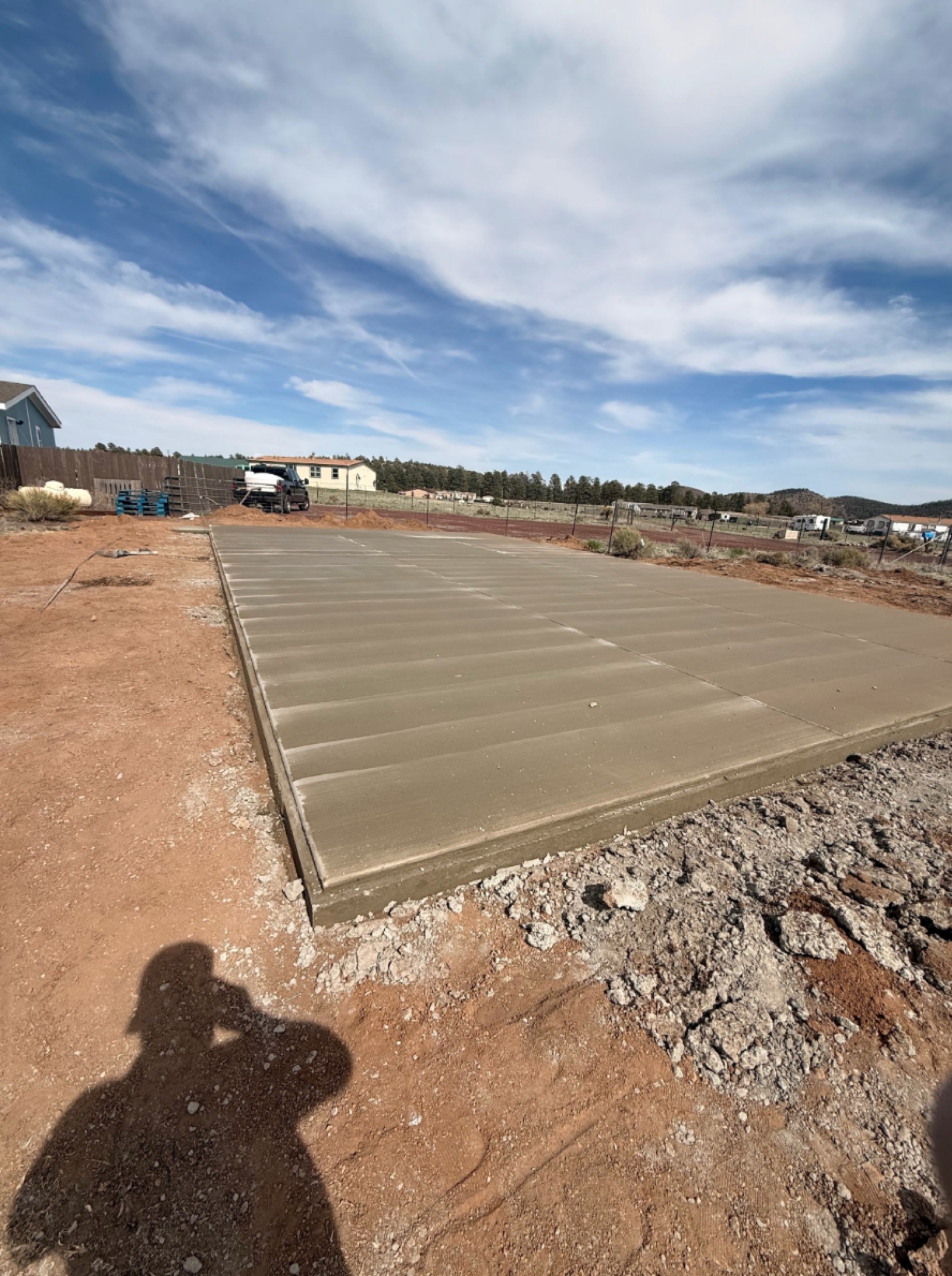
POST-SLAB
Have questions about your specific site or parcel? Chase can help you think through what's required before you commit to anything.
Ask Chase About Your SiteTakes about 2 minutes. Chase will follow up personally — usually same day.
Rough out your dimensions, doors, and colors in American Steel's 3D Builder — then send Chase the design and he'll come back with a quote and any tweaks for your site. No pressure, no obligation, no contractor-speak.
Every style is available in custom dimensions. Ask Chase what's right for your use and your site.
Symmetrical peaked roof. Maximum interior clearance, maximum versatility. The go-to choice for garages, workshops, and general storage.
Single-pitch roof that sheds water to one side. Space-efficient when placed against a property boundary, fence, or existing structure.
Open-sided or enclosed agricultural buildings for equipment, hay, livestock operations, and large-scale rural use.
If your project doesn't fit a standard style, Chase can spec a custom build. Common additions include RV covers, horse motels, enclosed garages, and multi-span structures.
Real reviews from real customers across the state. Chase handles every build personally — here's what that looks like.
"We've been difficult customers to say the least, but Chase has been SO accommodating to everything we've needed — or at least thought up. We've changed our minds so much on different ideas and Chase always had an amazing recommendation and was incredibly helpful. Would absolutely recommend going to Arizona Premier Sheds for whatever you might need!"
"Awesome customer service and knowledgeable of his position. He responds in a timely manner. If I had room I would purchase another one — I have 2 already!"
"Chase was awesome to work with and very helpful. Our new building turned out even better than we thought it would!"
No hidden fees. No surprise add-ons. Here's how it works.
Pricing is firm before manufacturing begins. Final quote reflects your actual building specs.
Think about what you're putting in it, then add 20–30% for the things you'll accumulate later. If you're torn between two sizes, go bigger — you won't regret the extra space.
Width drives cost more than length, so the most economical move is usually to go narrower and longer. Buildings 30 feet wide and under tend to be more budget-friendly. Chase will help you think through sizing on your first call.
There's no single most popular size — it really depends on use case, budget, and property. Generally, buildings 30 feet wide and under are more economical. Width drives cost more than length; adding length is relatively cheap, so go longer before going wider if you're on a budget.
That said, 30×50 and 40×60 are common for residential garage, workshop, and storage builds. Ag and ranch customers often go 50×100 and up.
We use 29 and 26 gauge steel panels for walls, roof, and trim. The frame is 12 and 14 gauge — heavier than most competitors. Lower gauge number = thicker steel.
29 gauge panels are standard. 26 gauge is available and gives you a more rigid panel — it's a customer preference, not a structural upgrade. There is no meaningful structural difference between the two gauges for the application.
In most Arizona jurisdictions, yes — any structure over a certain square footage requires a permit. The threshold varies by city and county.
We handle the full permit package: engineer drawings and site plan submitted to your local municipality. You don't have to navigate municipal offices or figure out what's required on your own. An unpermitted structure can create problems when you sell, refinance, or file an insurance claim.
Prefer to go without a permit? We cannot be involved in the installation, but we can set you up with our kit price and have it delivered speedily to your house for a self installation.
Plan for approximately ±4 months from first call, depending on permitting. The biggest variable is your local municipality — Arizona permits typically take about 45 business days. Rural jurisdictions can be significantly faster. Once the permit is in hand, concrete + building lead time is 4–6 weeks.
A gable-style building gives you the best value per square foot, full stop. It's the most efficient roofline and the simplest to build.
If you're space-constrained along a property boundary, a lean-to is an option — but lean-to designs can actually cost more than a comparable gable, not less. Don't assume they're cheaper.
Best advice: go bigger than you think you need. Adding 10 feet of length is pennies on the dollar compared to the frustration of a building that's too small. Length is cheap; width costs more — so go longer before going wider.
Length adjustments are commonly a smaller cost adjustment than width adjustments.
We serve all of Arizona — from state line to state line. Wherever you are in the state, we can engineer your building to local code and coordinate delivery and installation.
Included. A licensed engineer stamps every design as part of the standard package. Structural certification is not an upgrade. You get it on every build because permitting requires it and because it's the right way to build.
No sales pitch. Chase will help you figure out what you actually need — size, style, permitting, concrete. Come with questions.
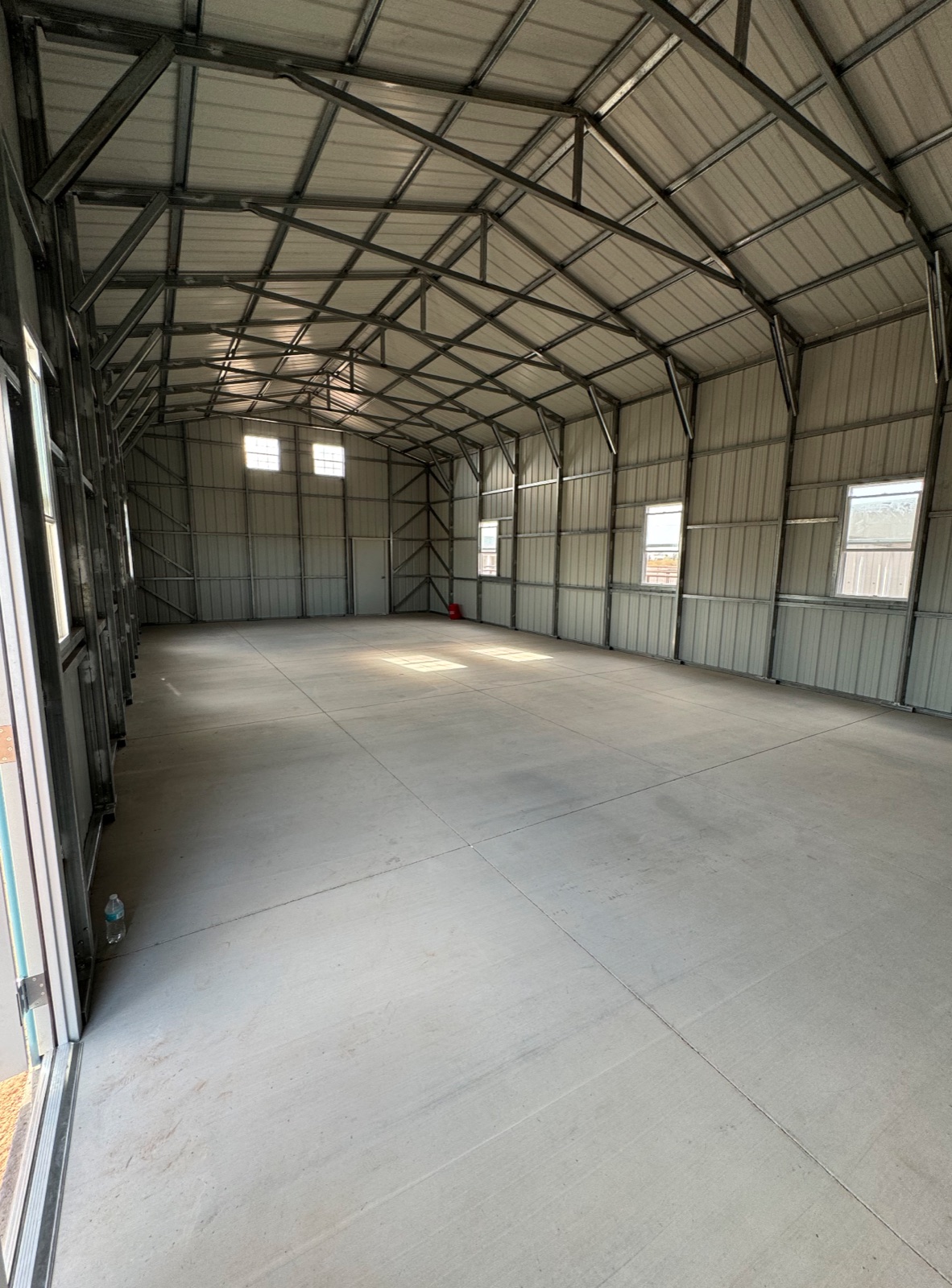
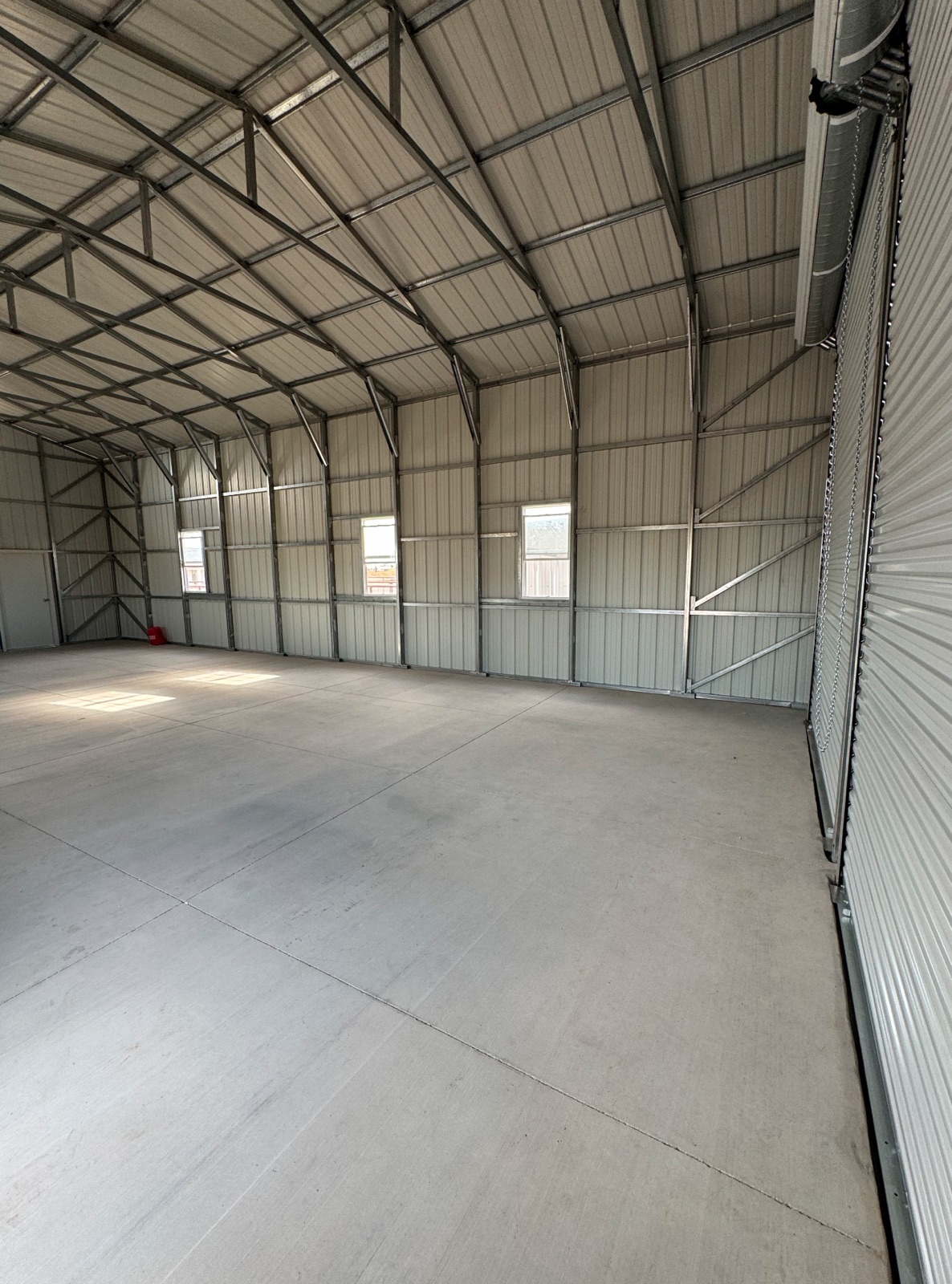
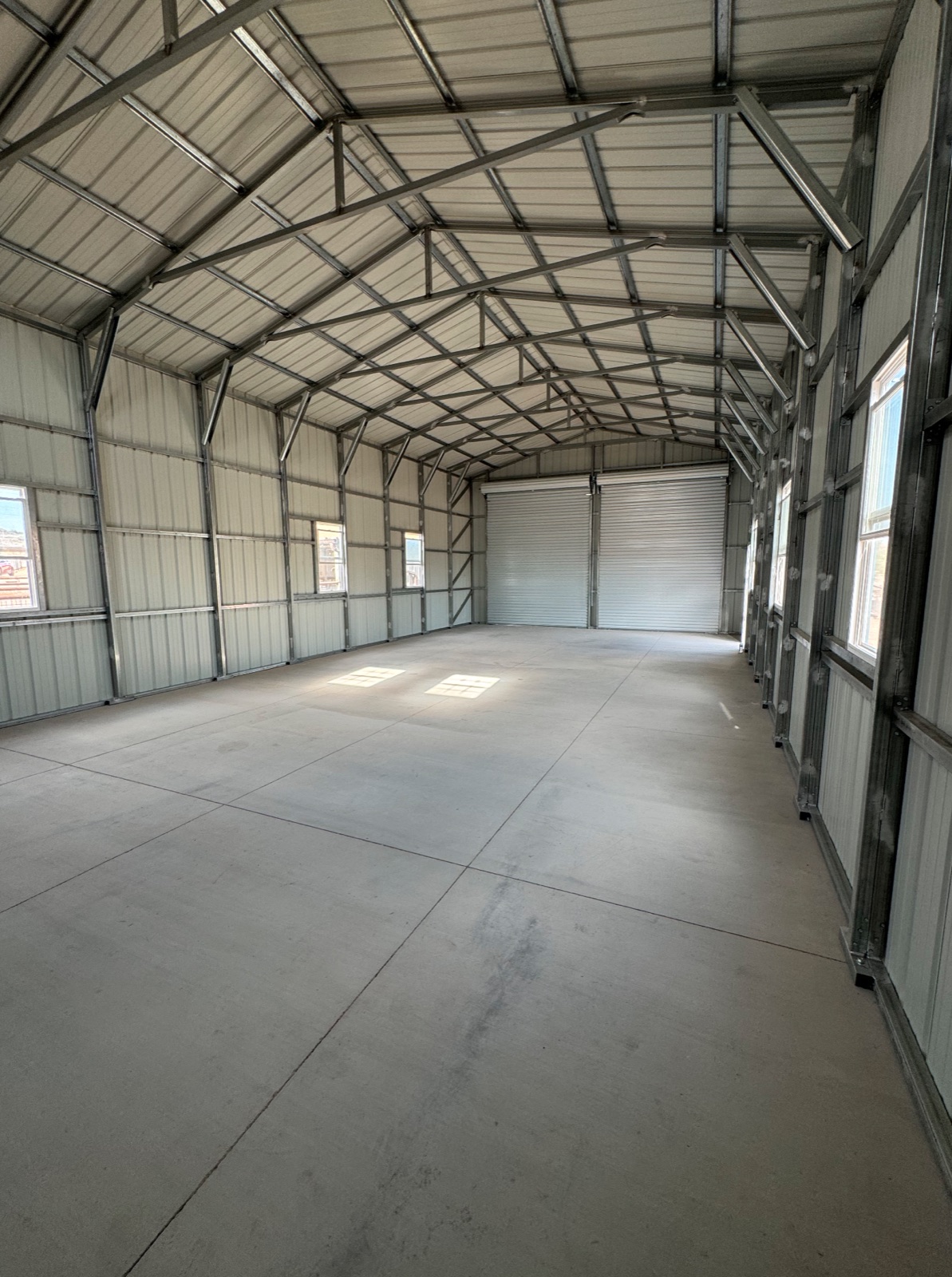
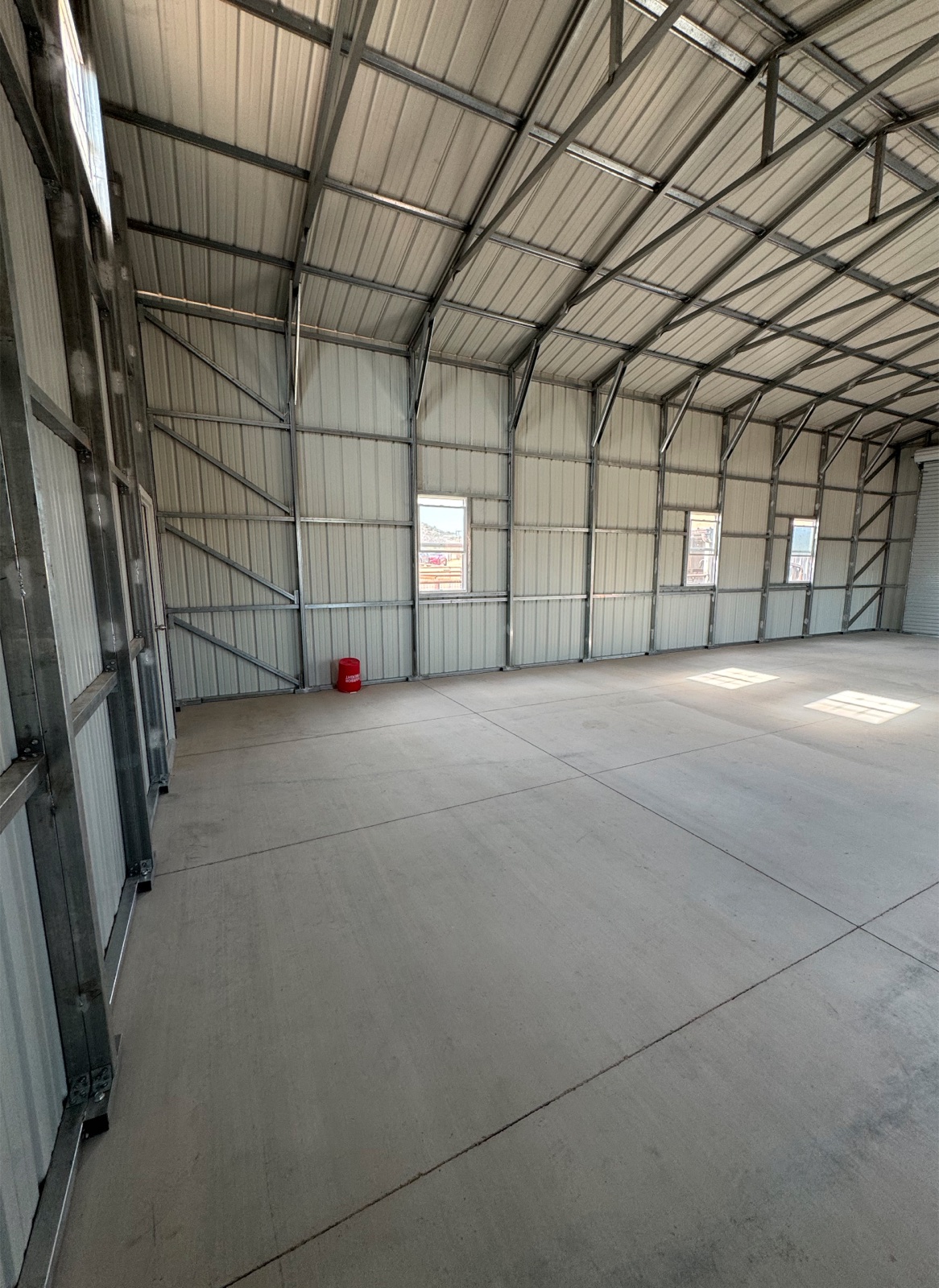
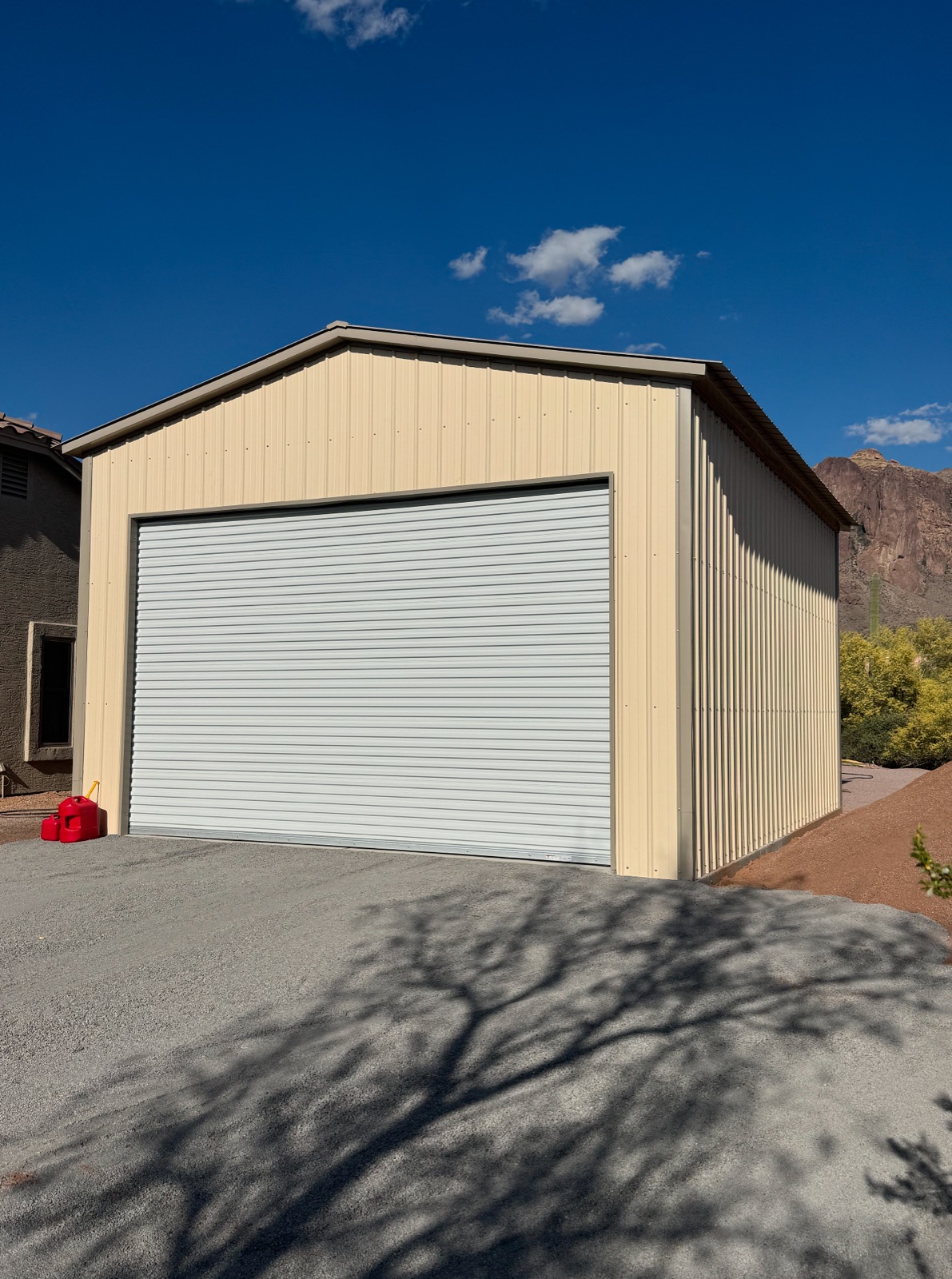
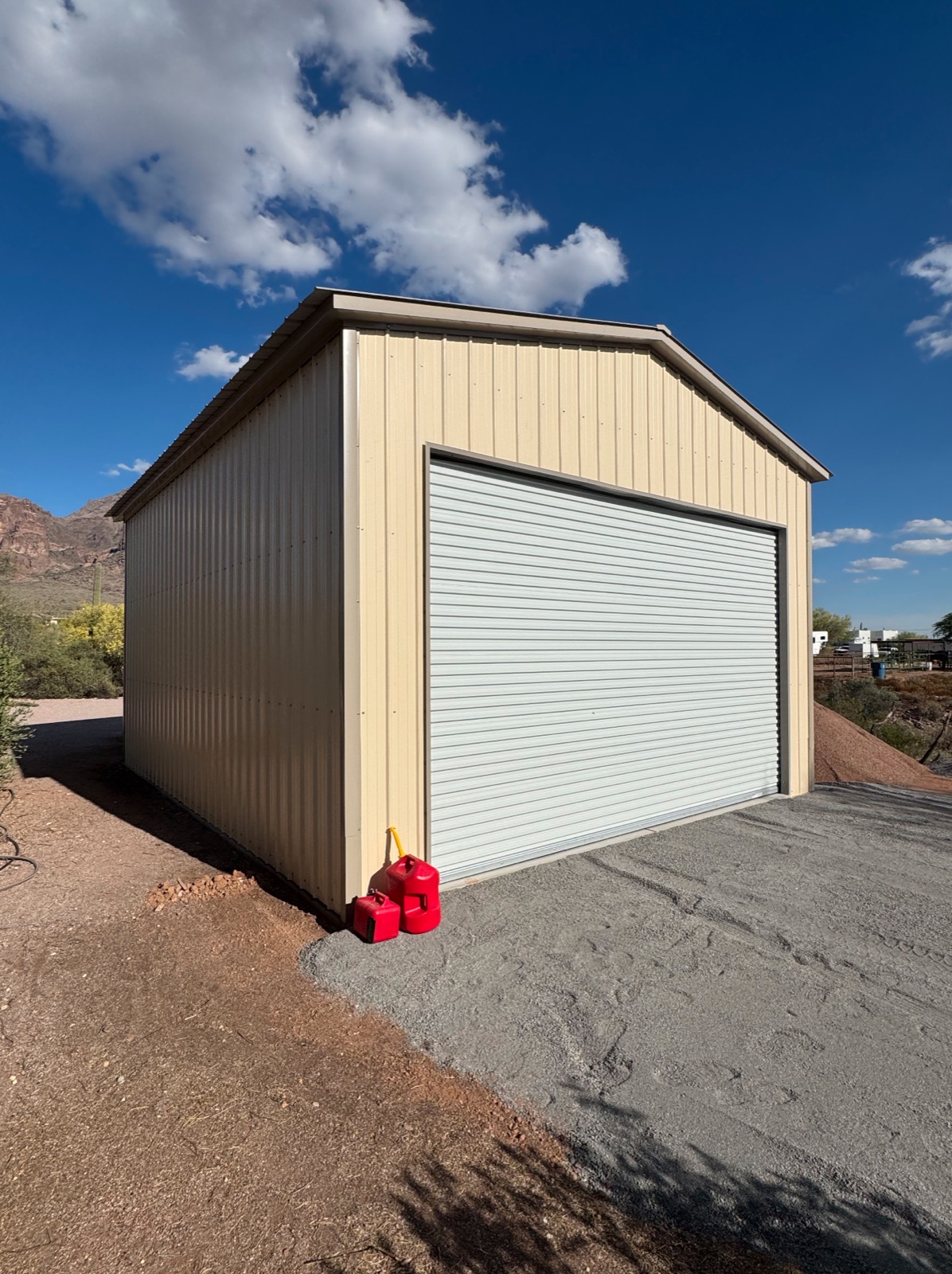
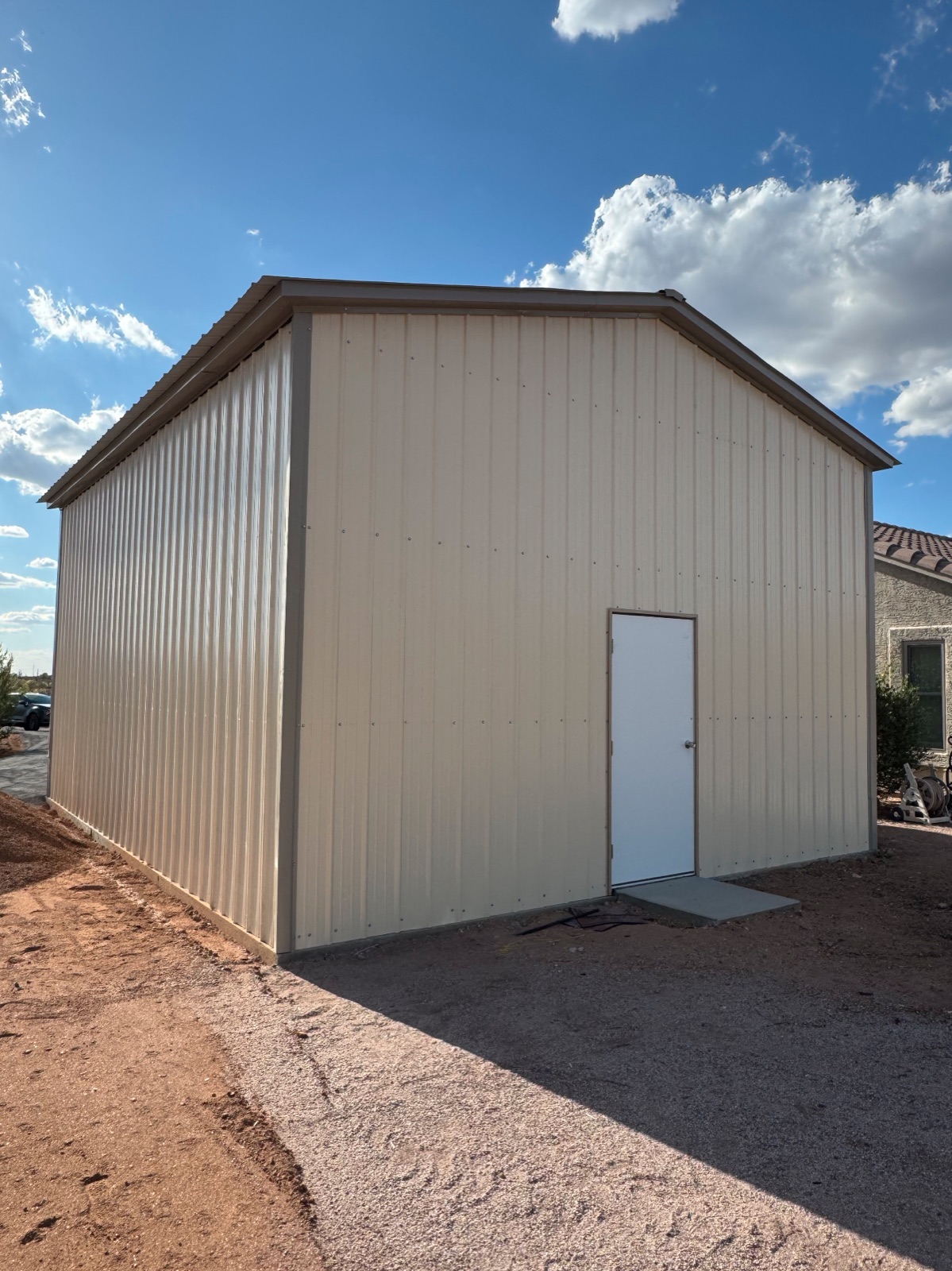
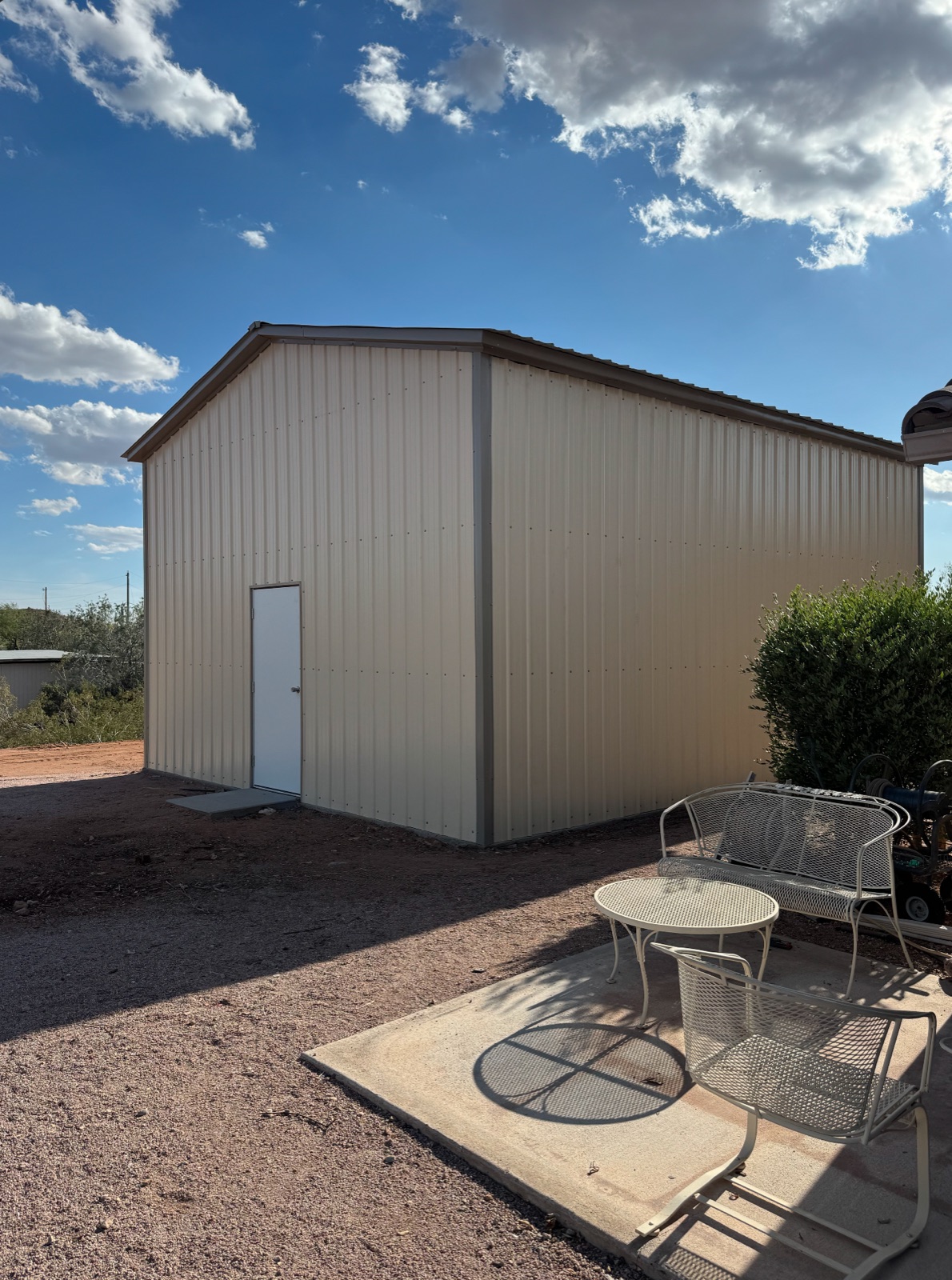
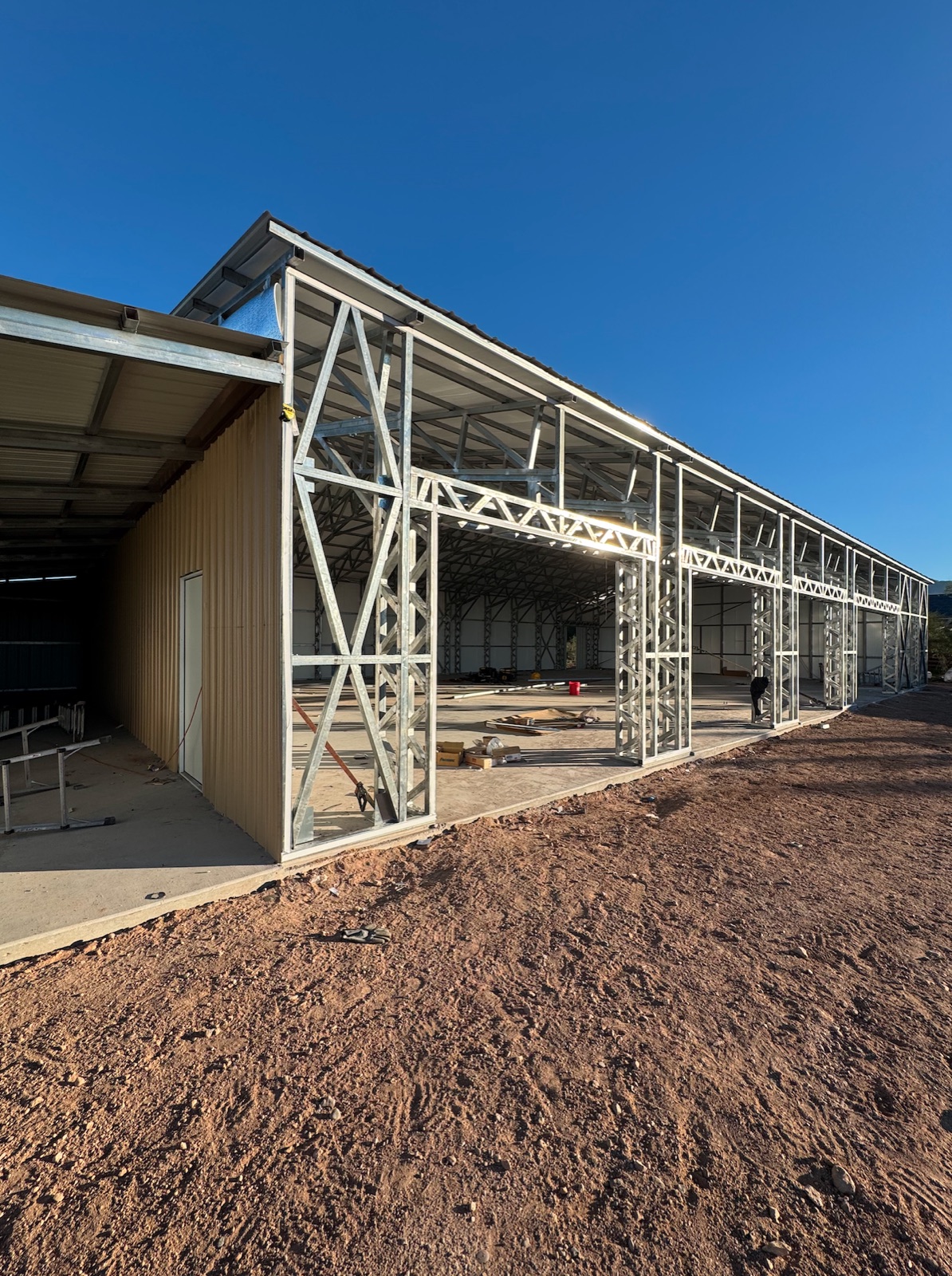
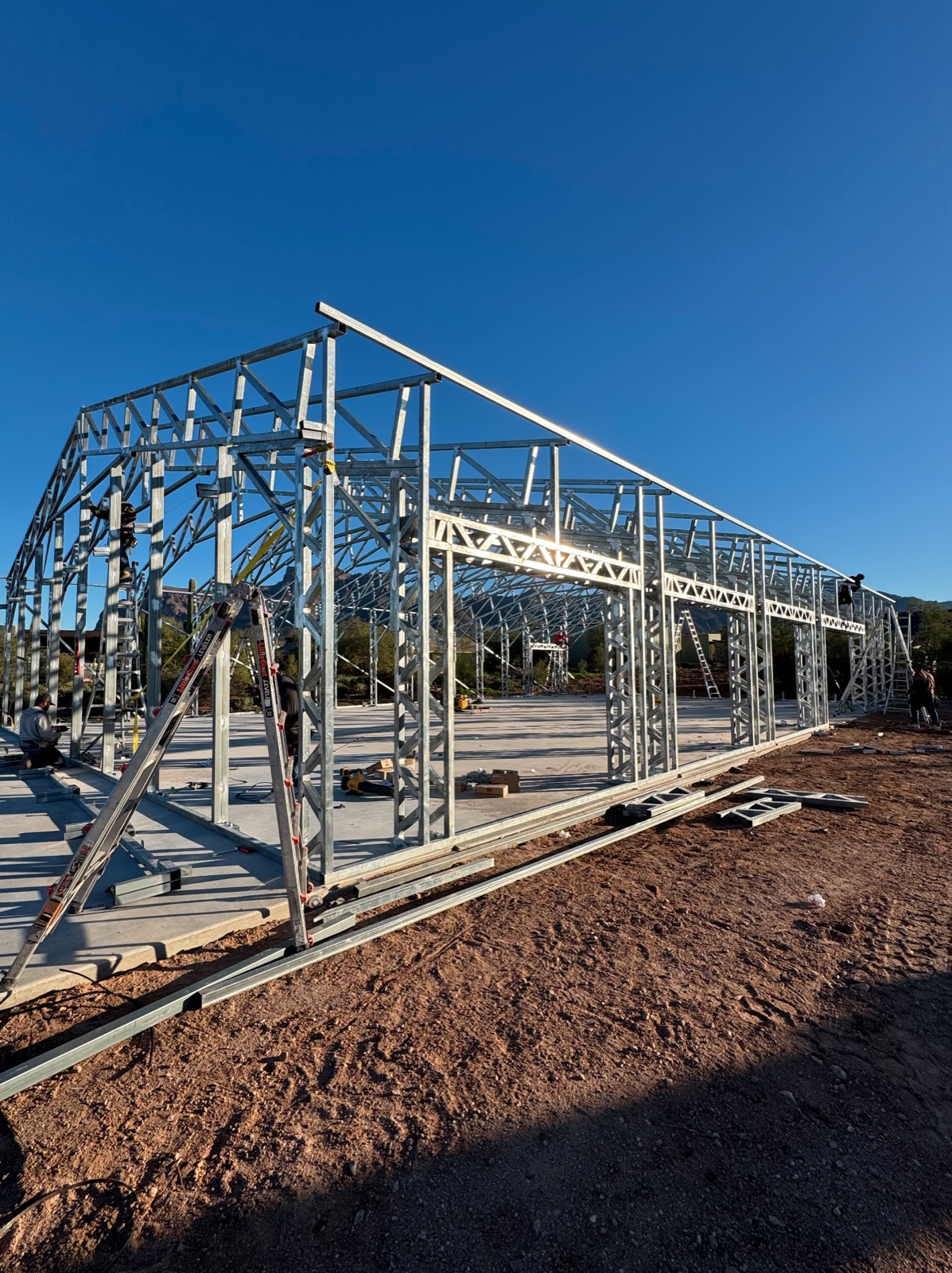
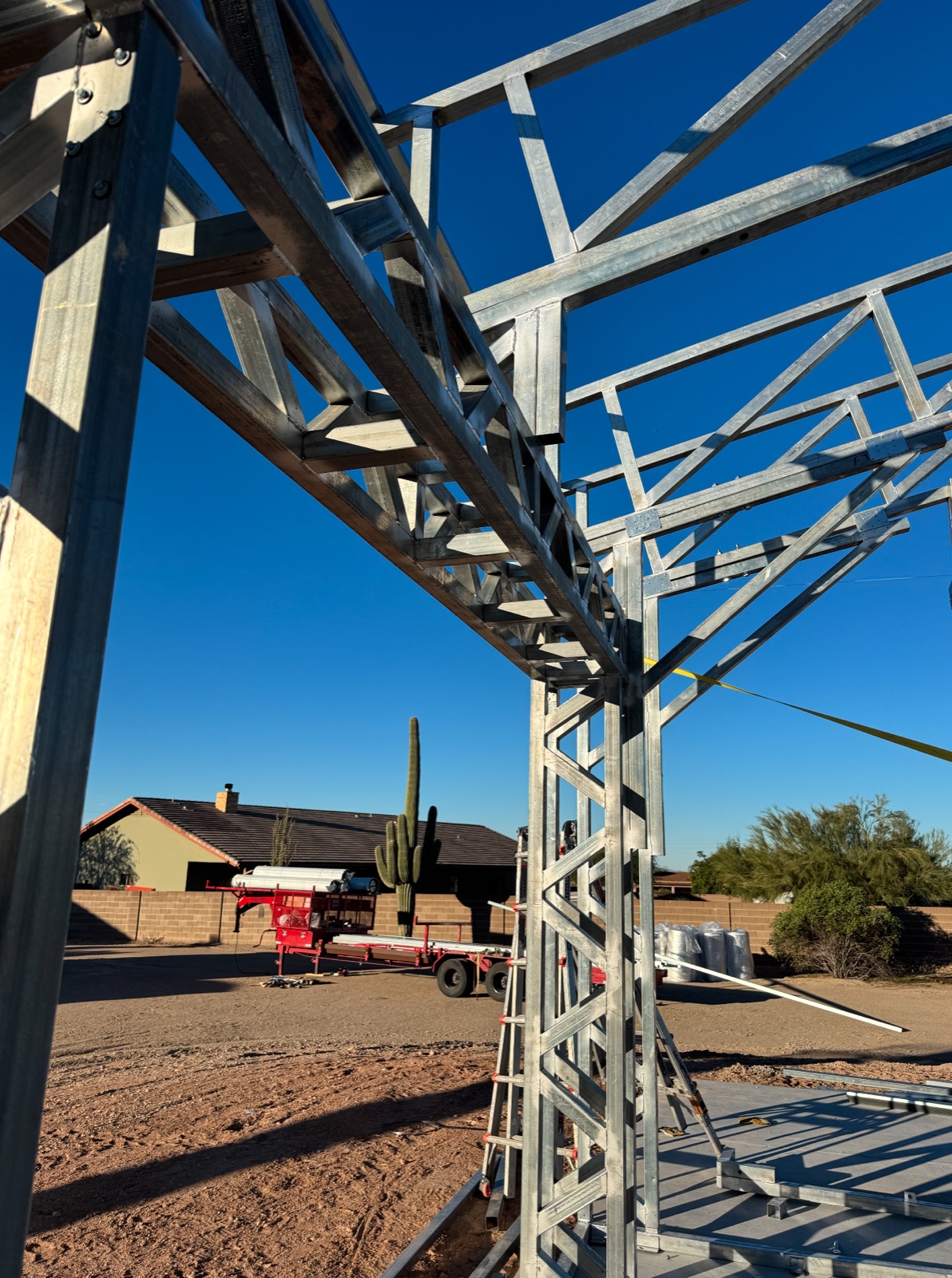
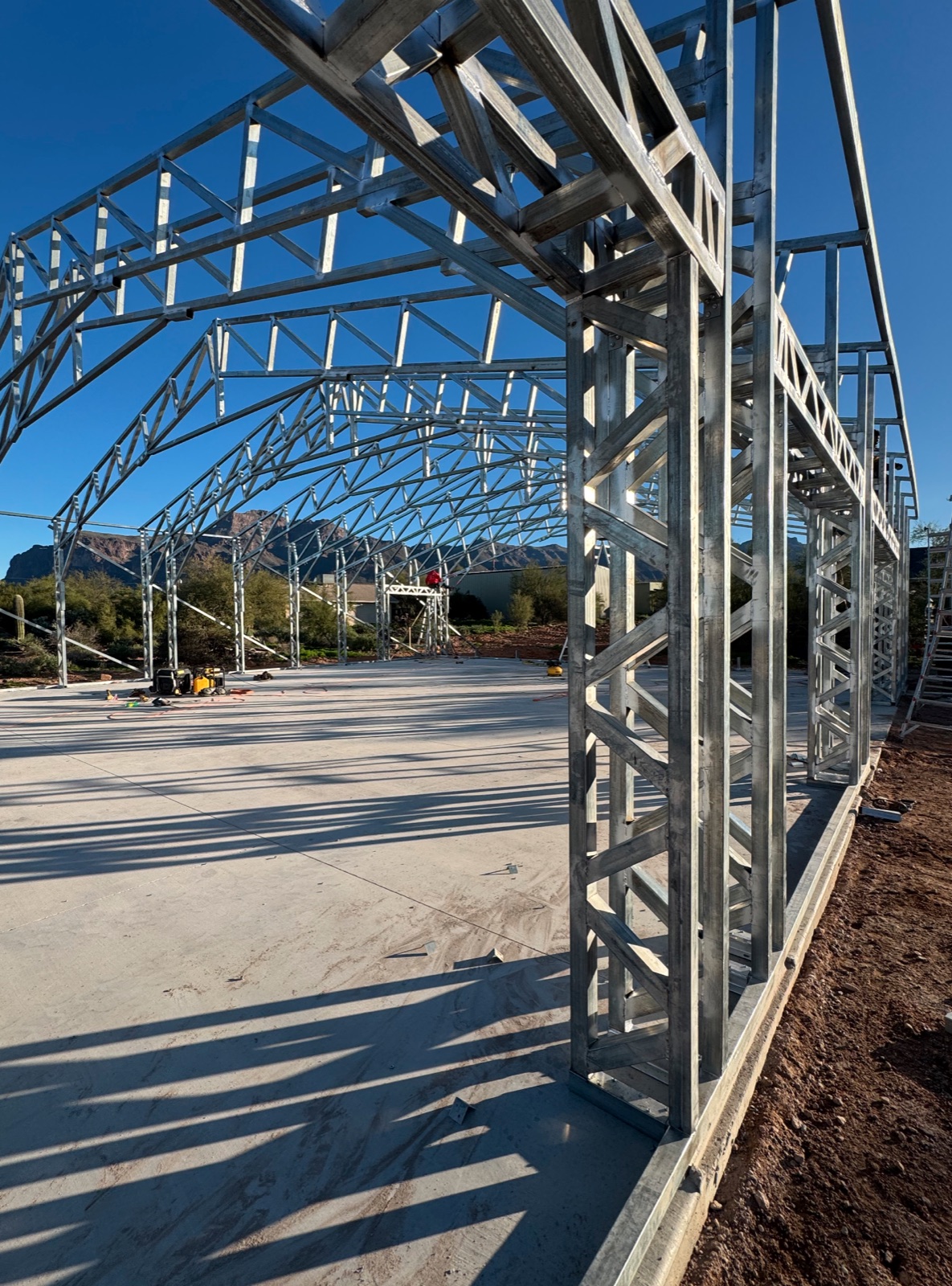
Every photo is a real job — engineered, permitted, and set by Chase's team.
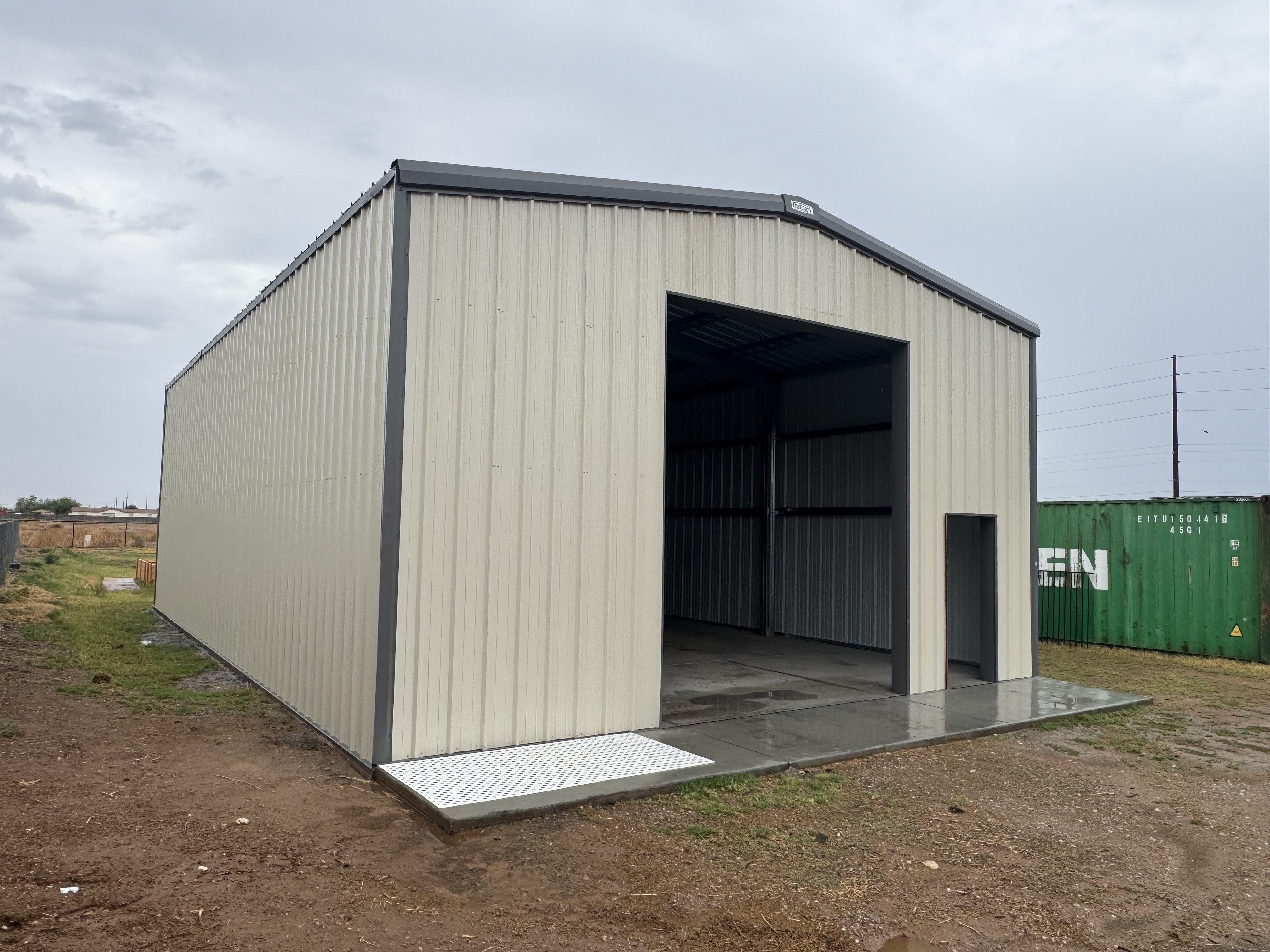
30′ × 50′ × 16′
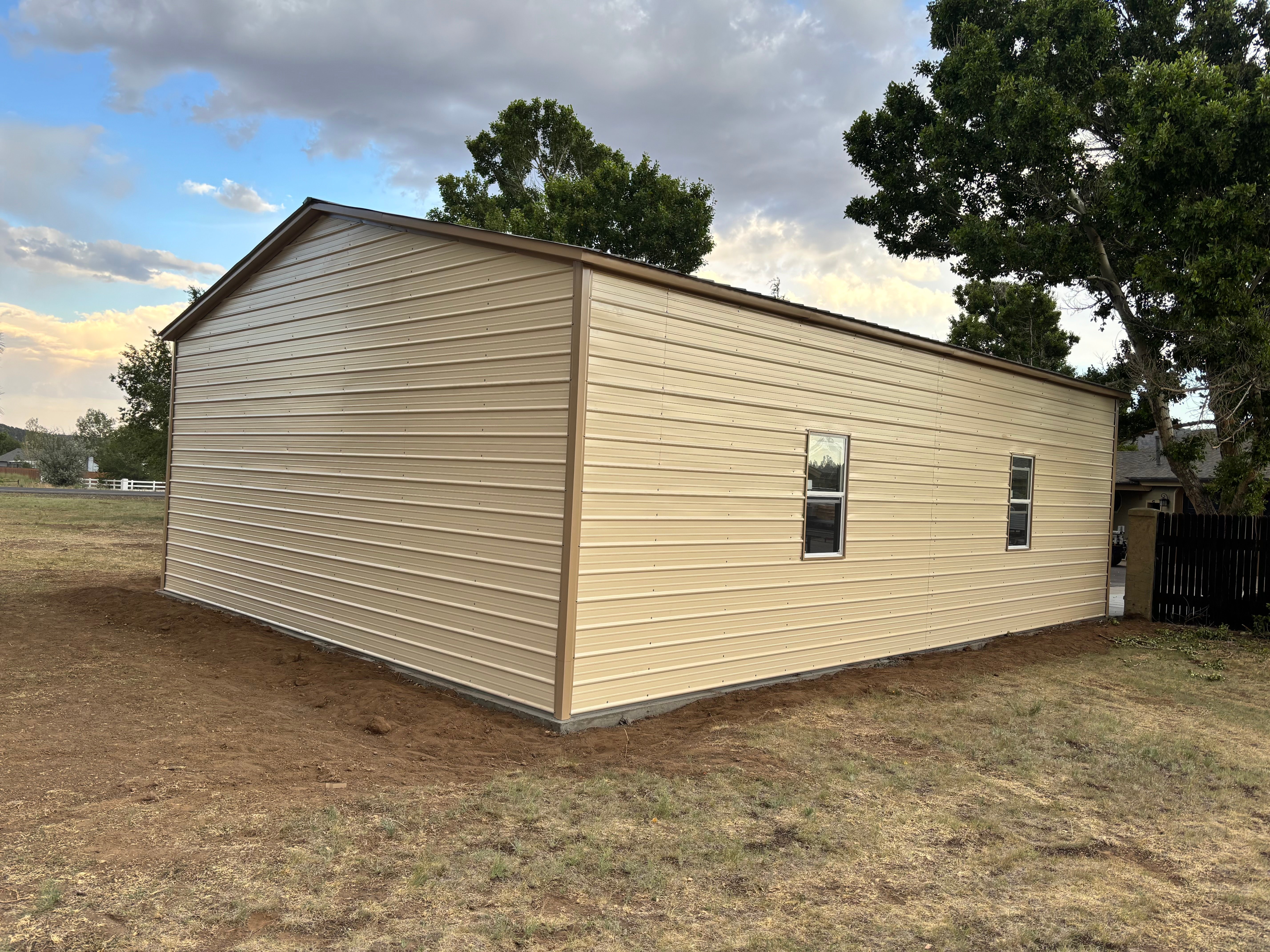
30′ × 40′ × 12′
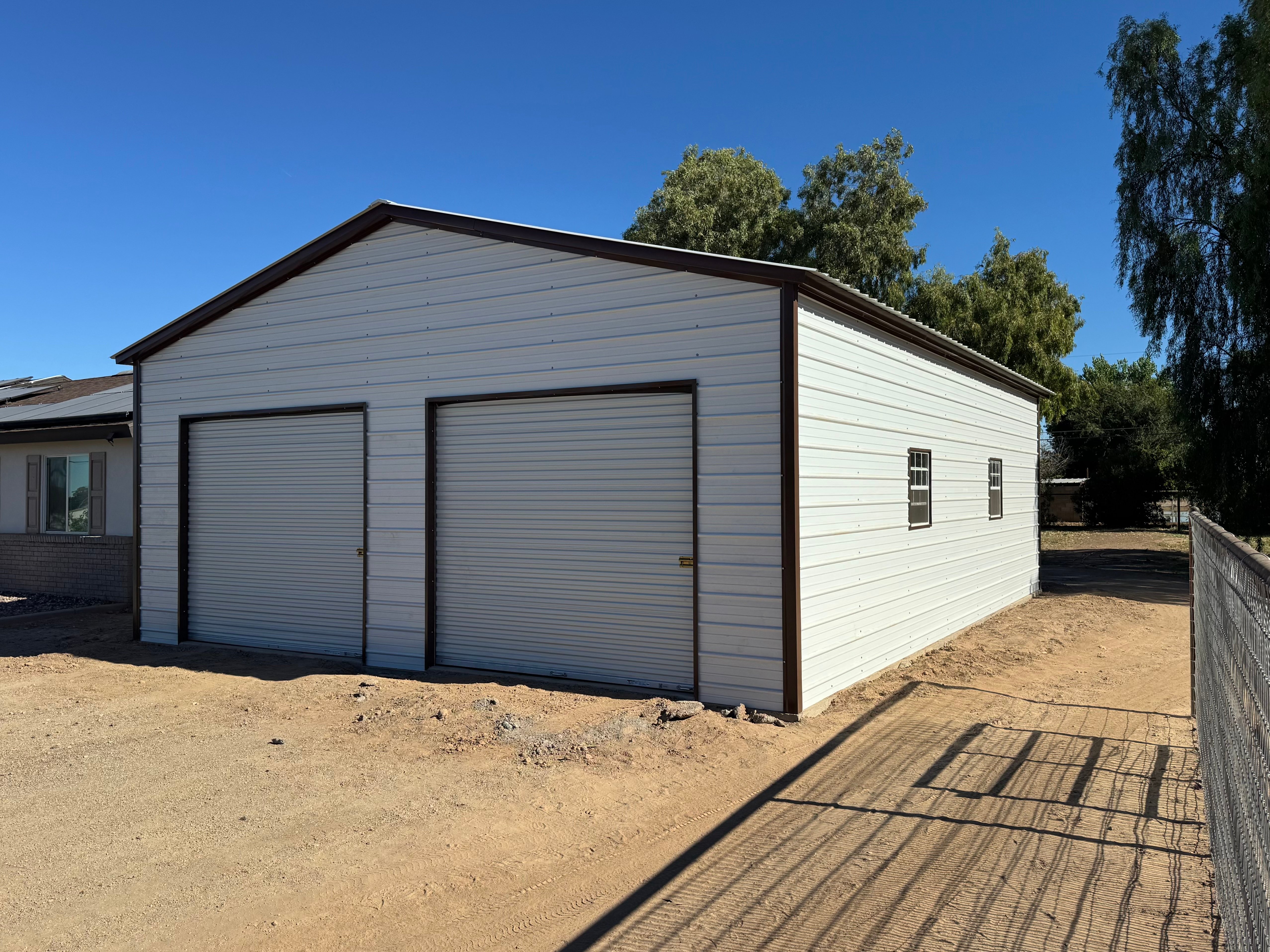
26′ × 35′ × 10′
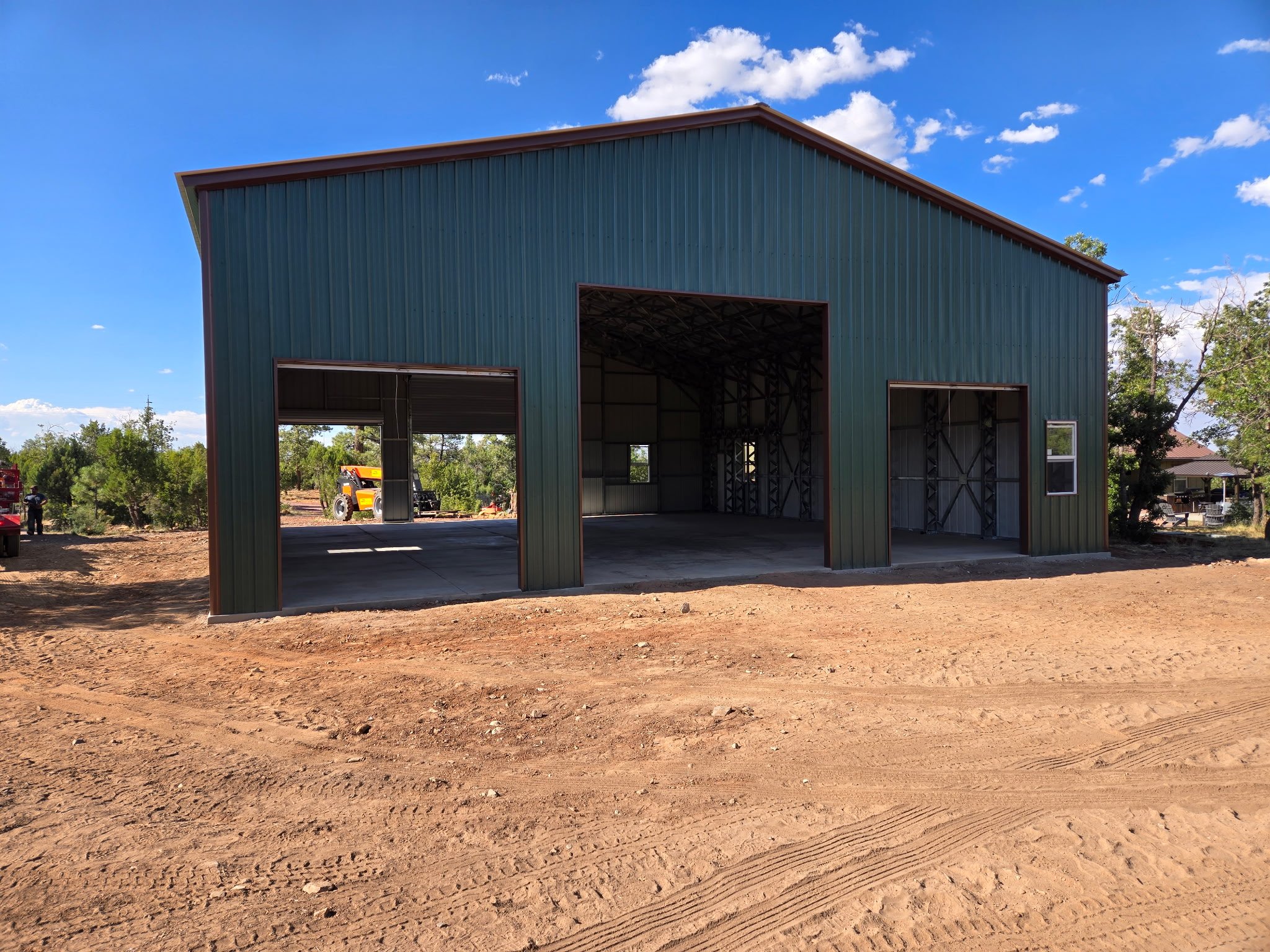
50′ × 50′ × 14′
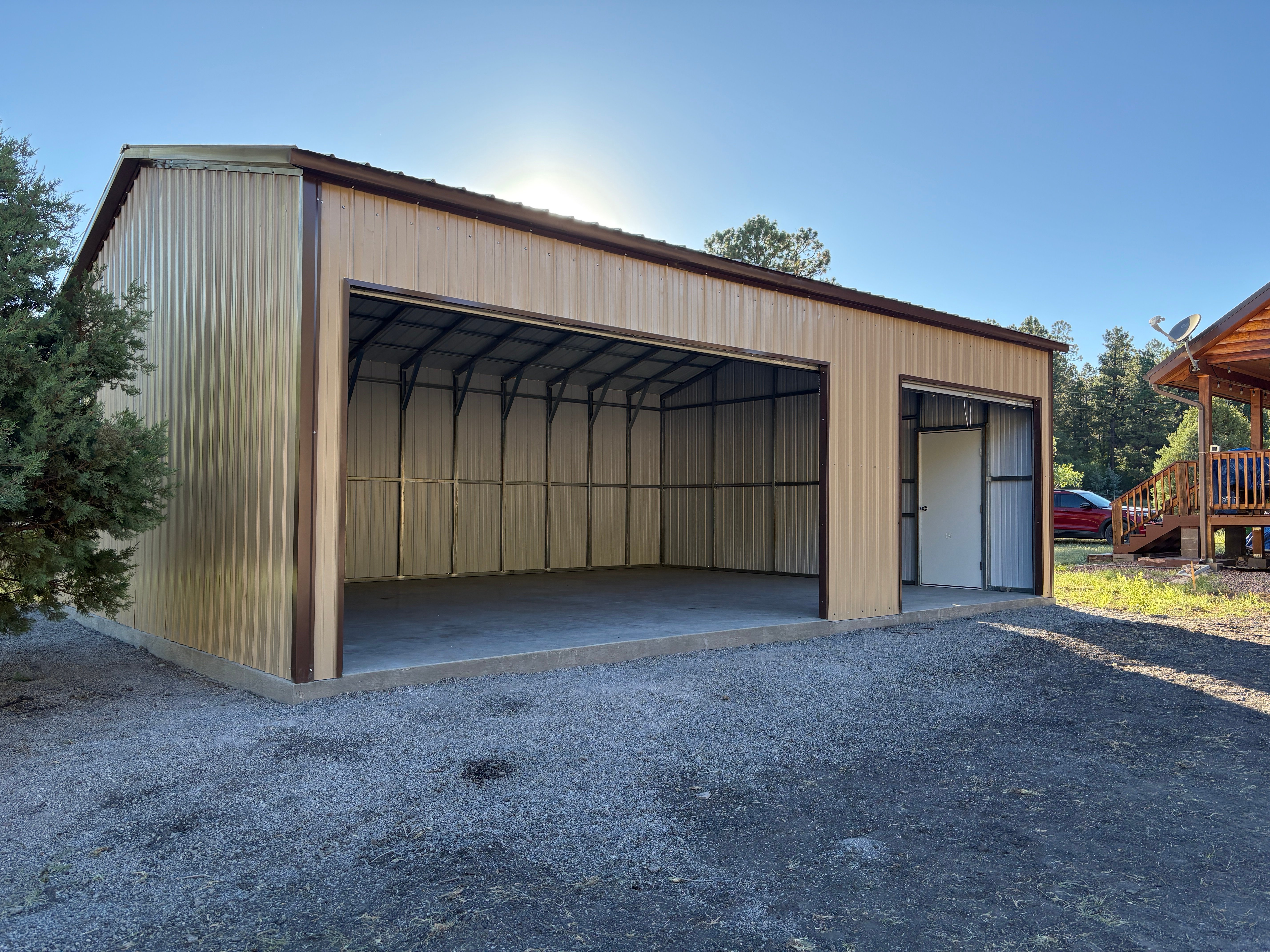
24′ × 32′ × 10′
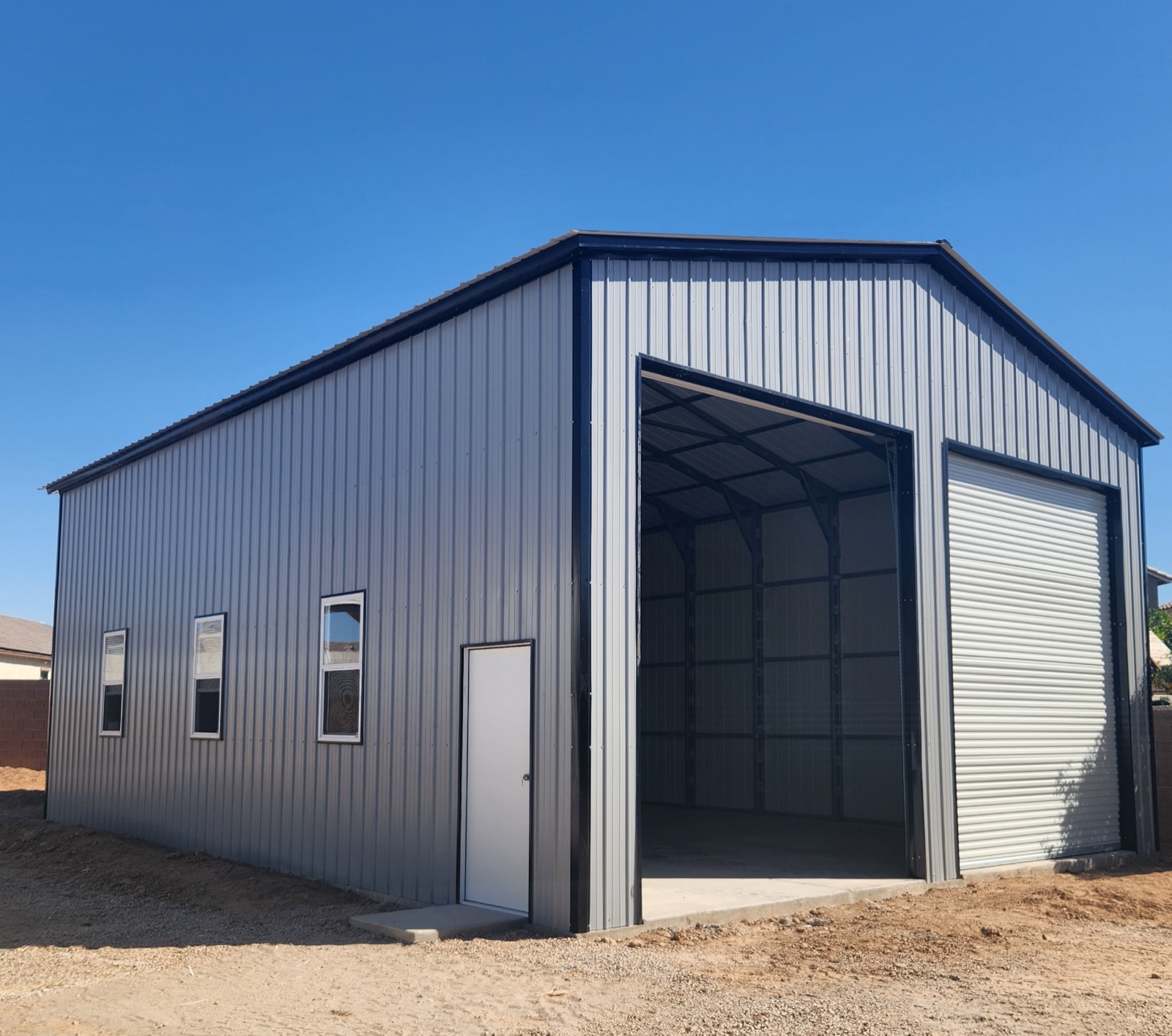
30′ × 40′ × 18′
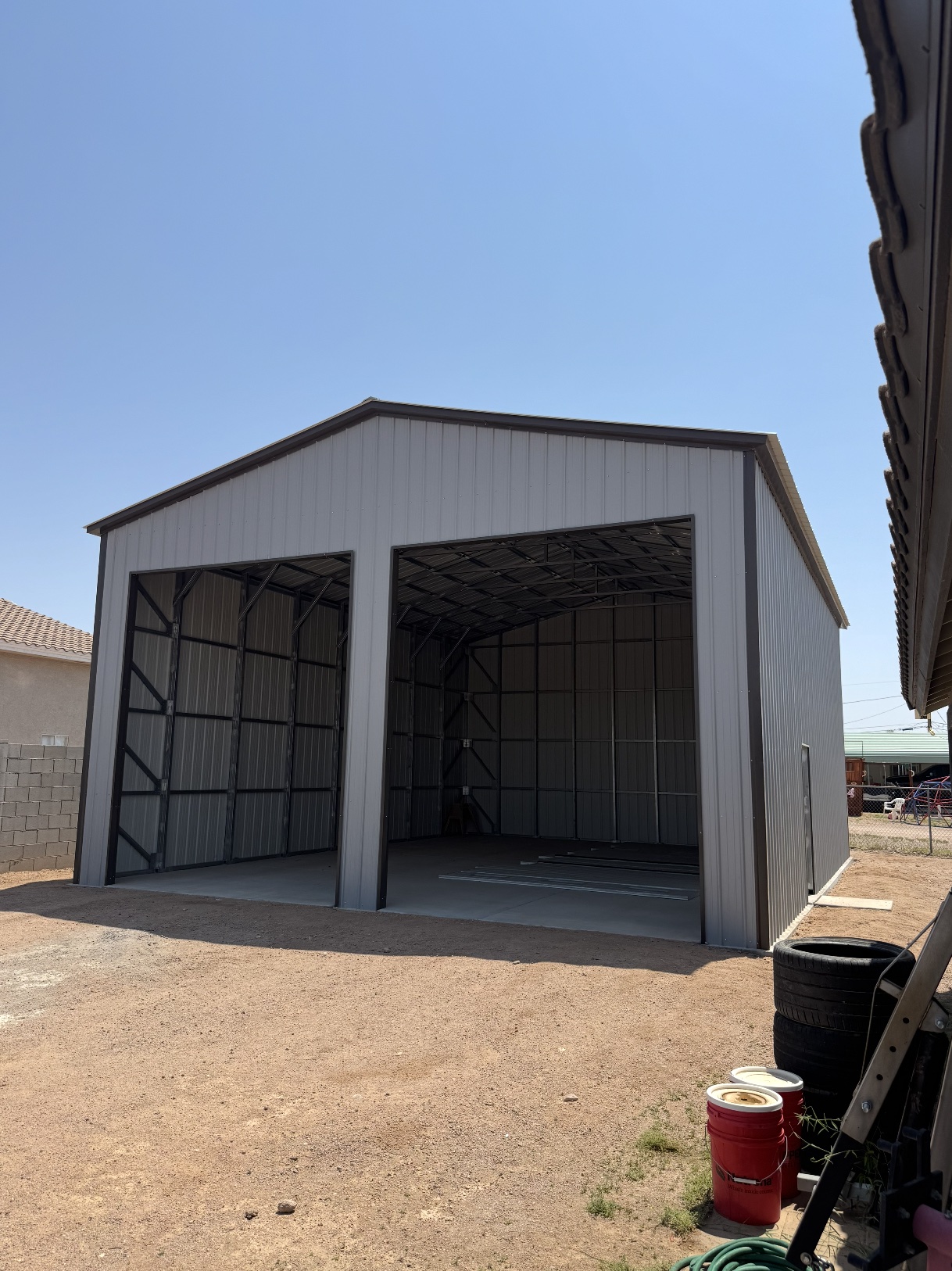
30′ × 40′ × 16′
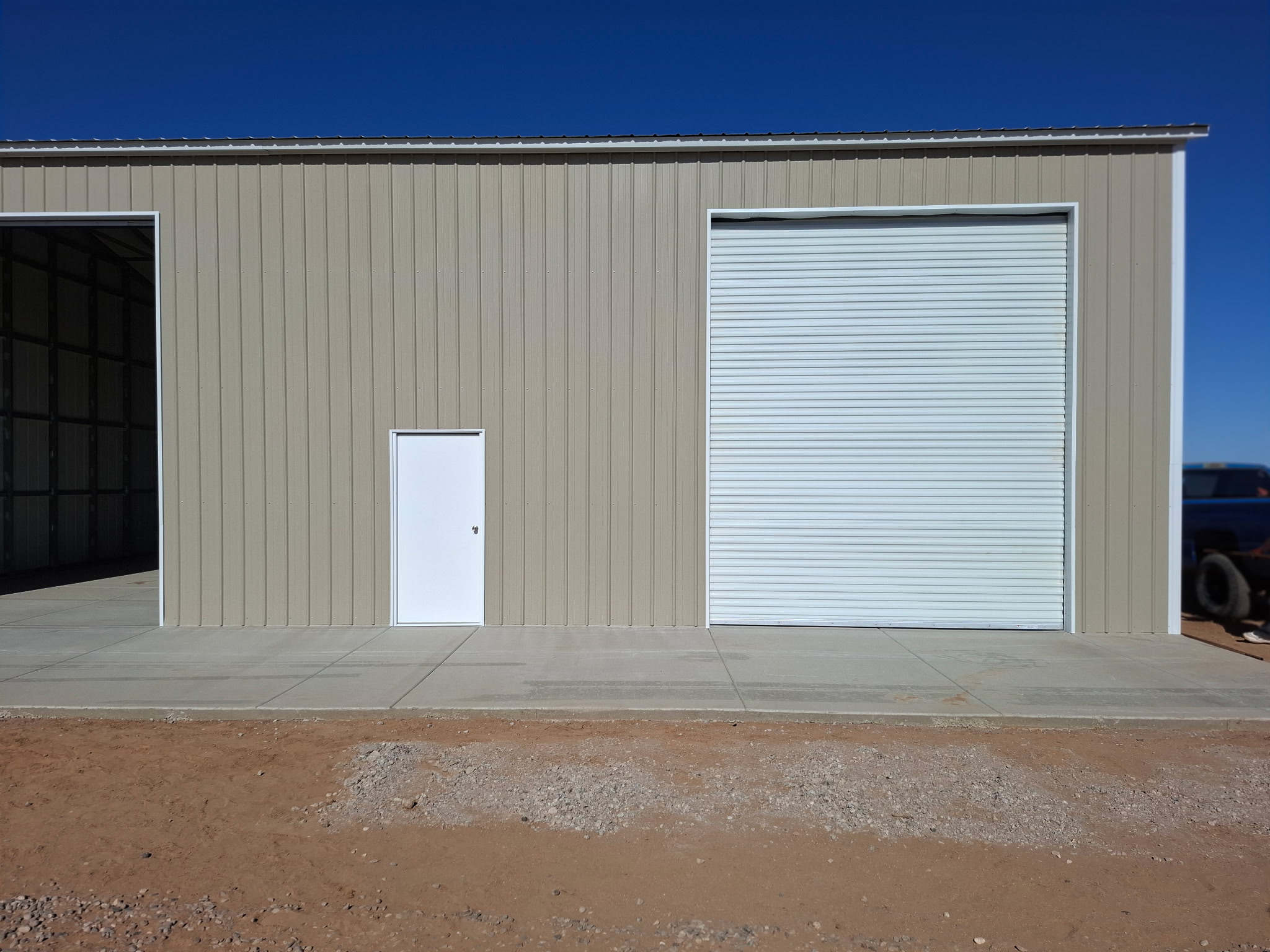
30′ × 50′ × 16′
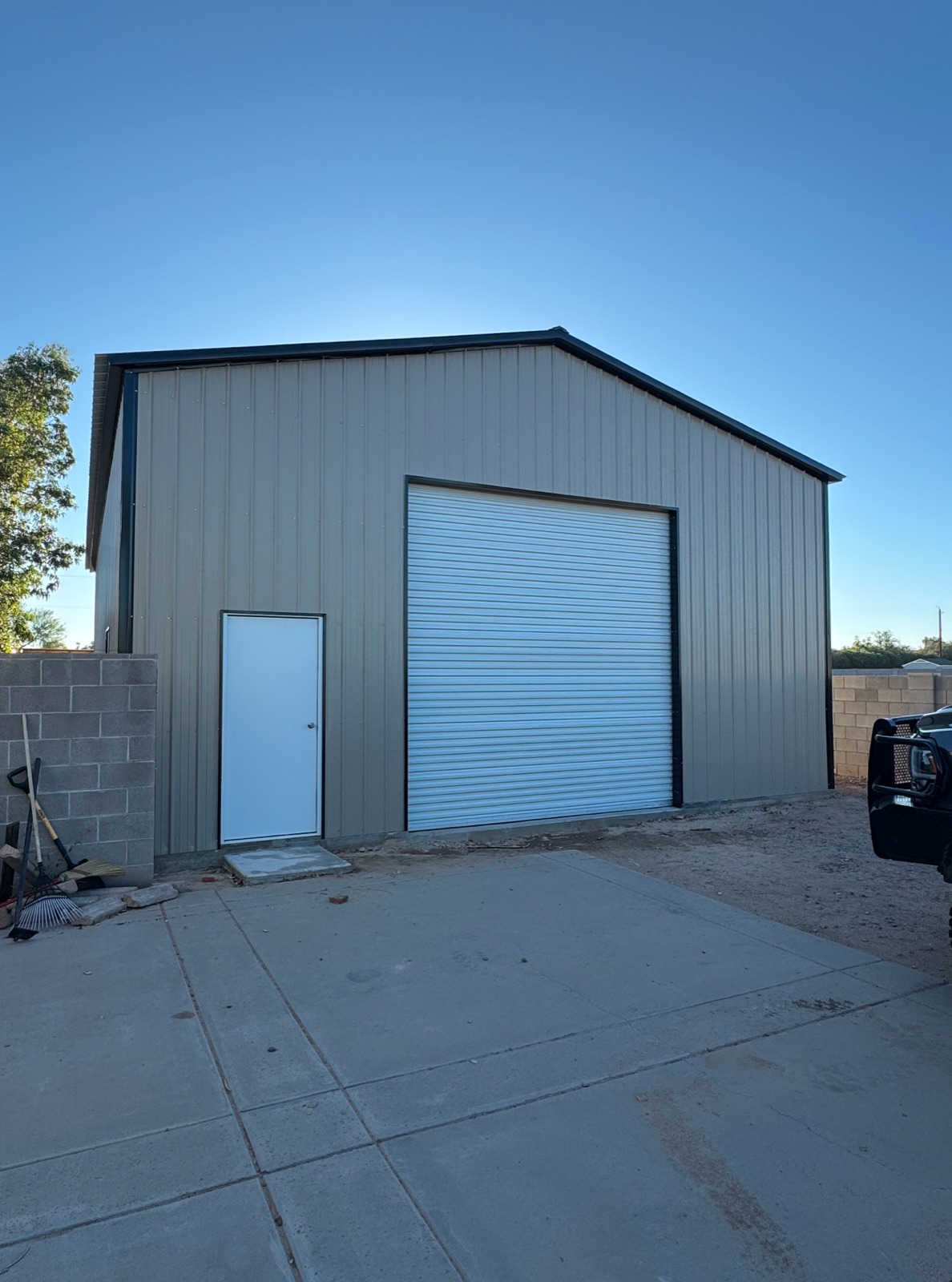
30′ × 50′ × 14′
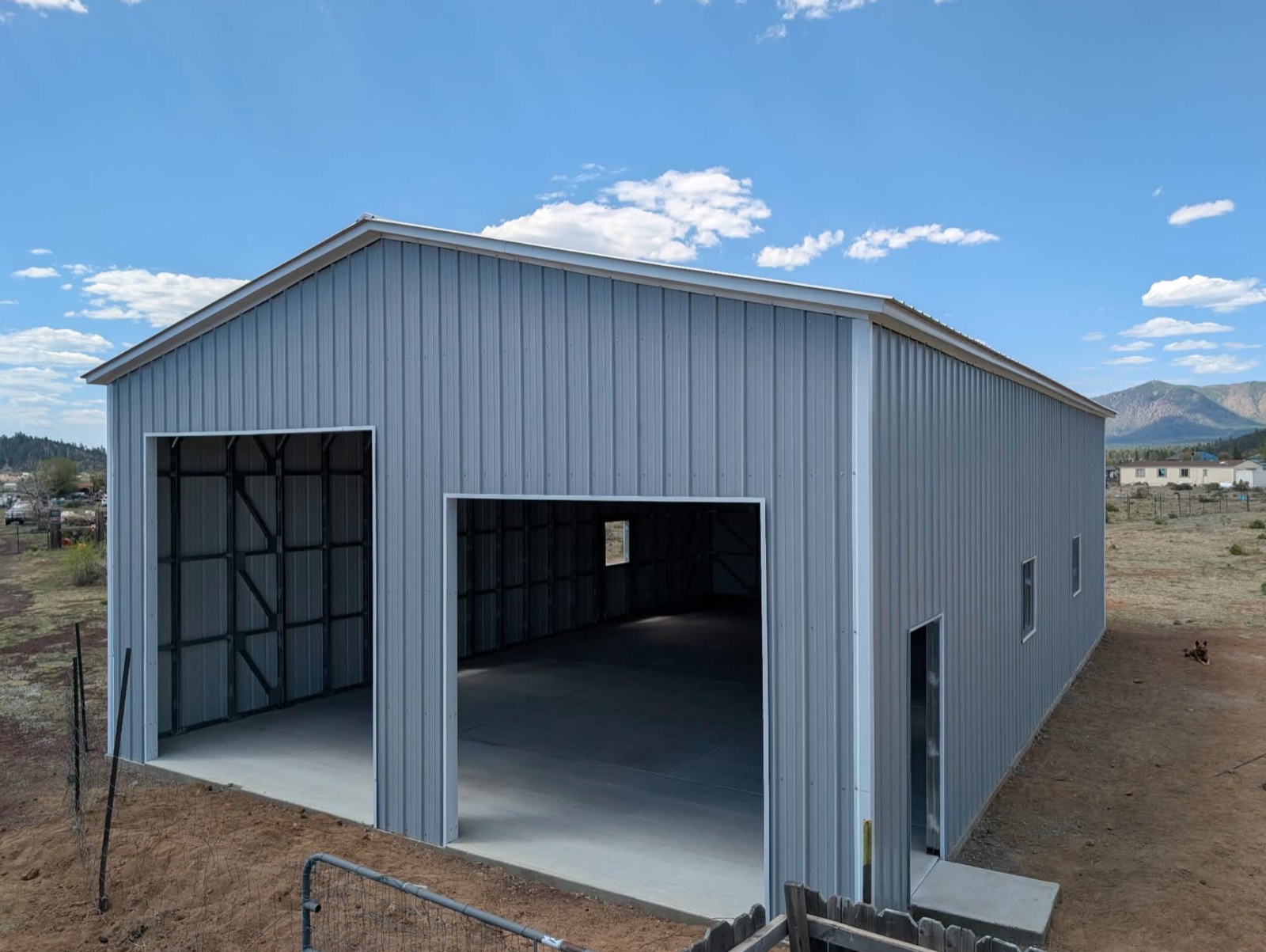
30′ × 50′ × 14′
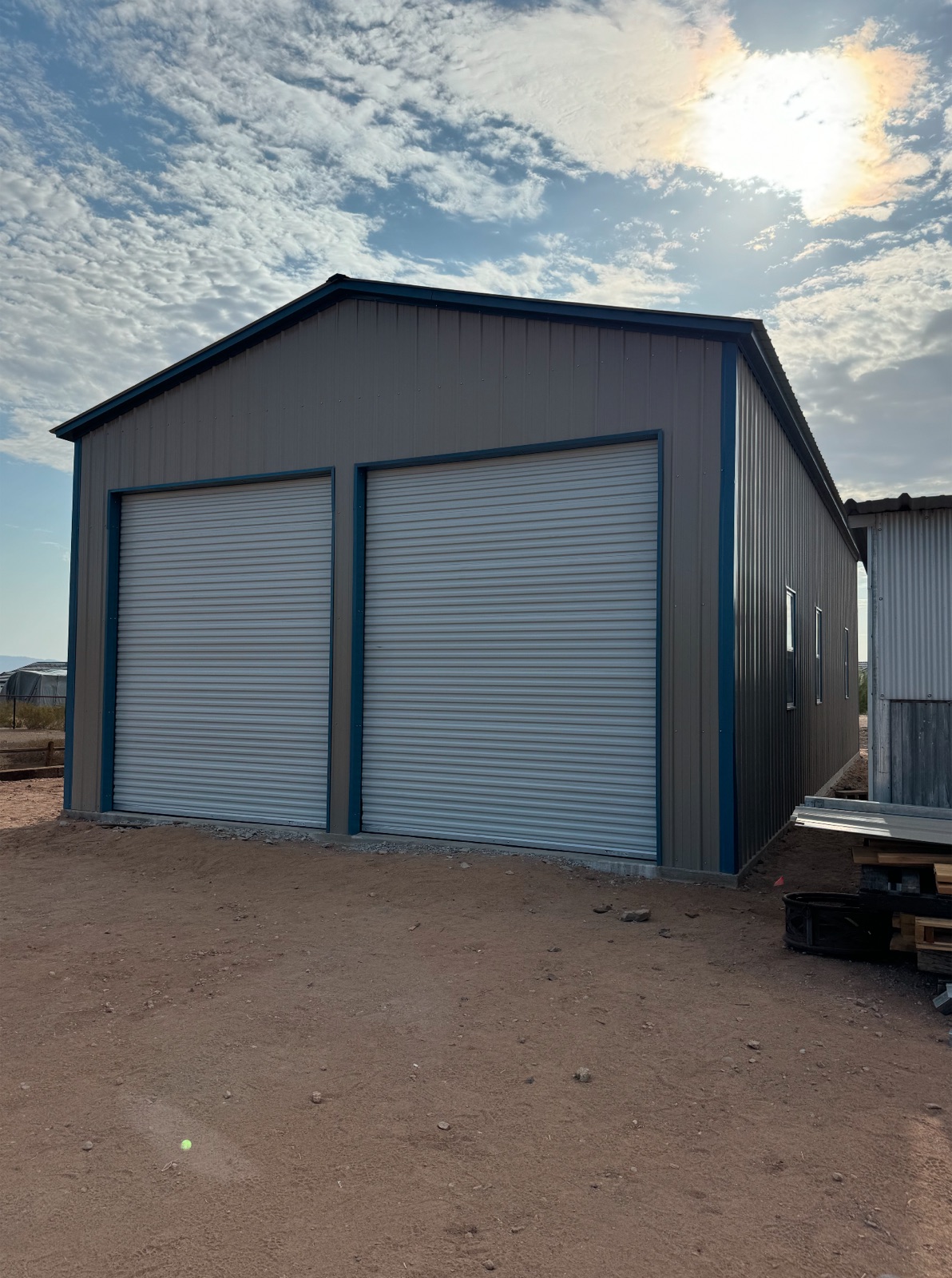
25′ × 50′ × 14′
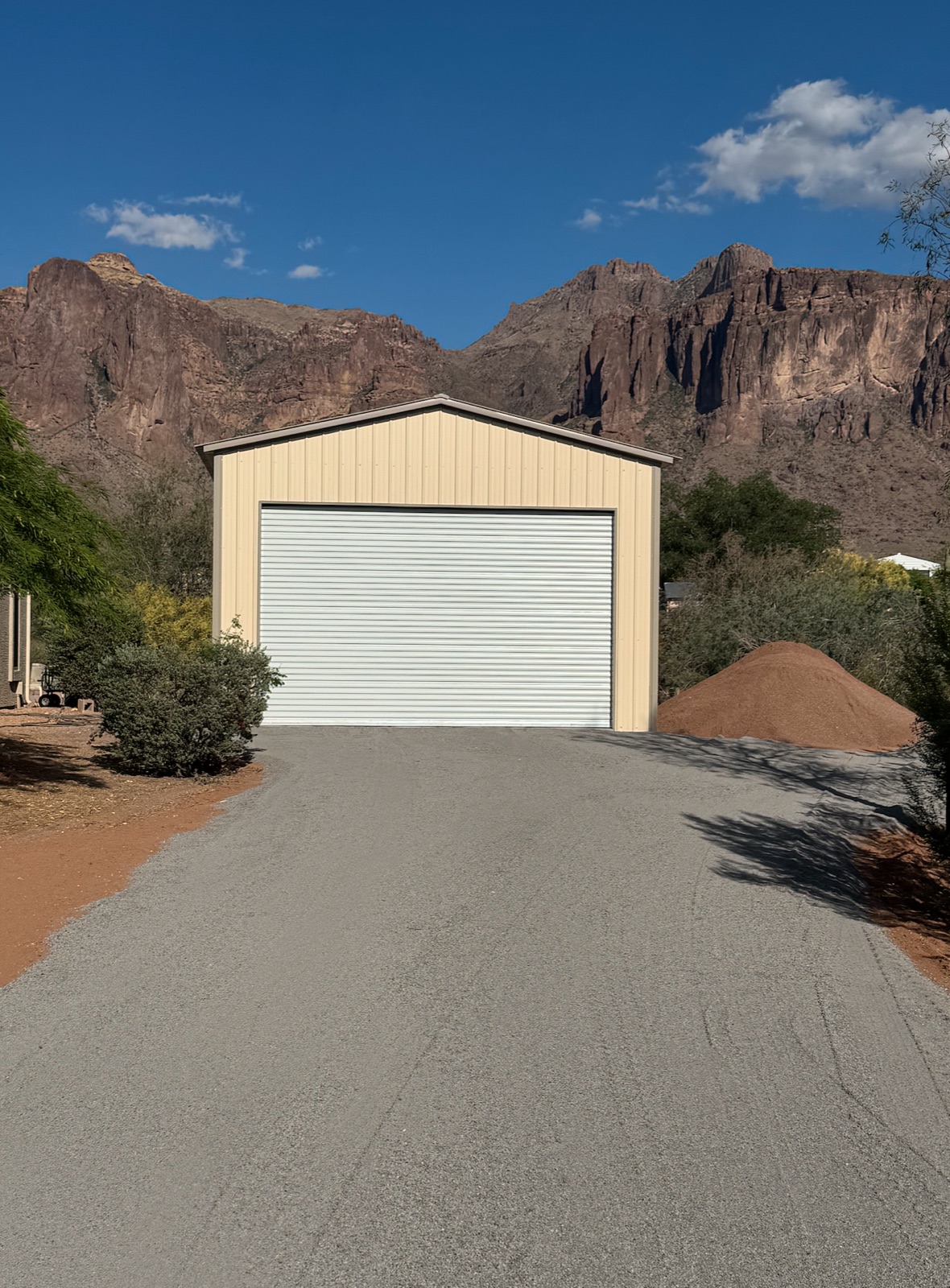
20′ × 25′ × 12′
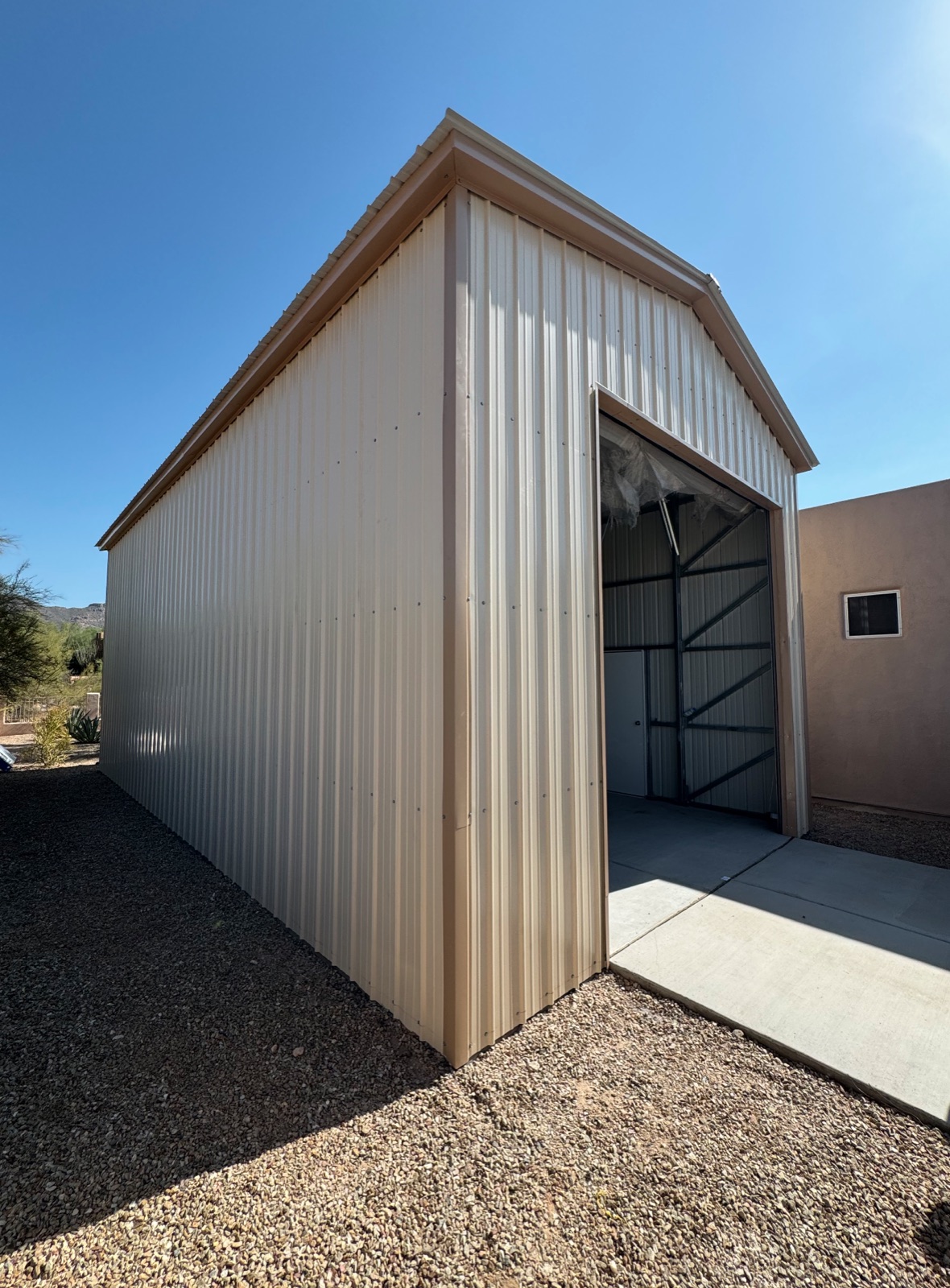
18′ × 35′ × 14′
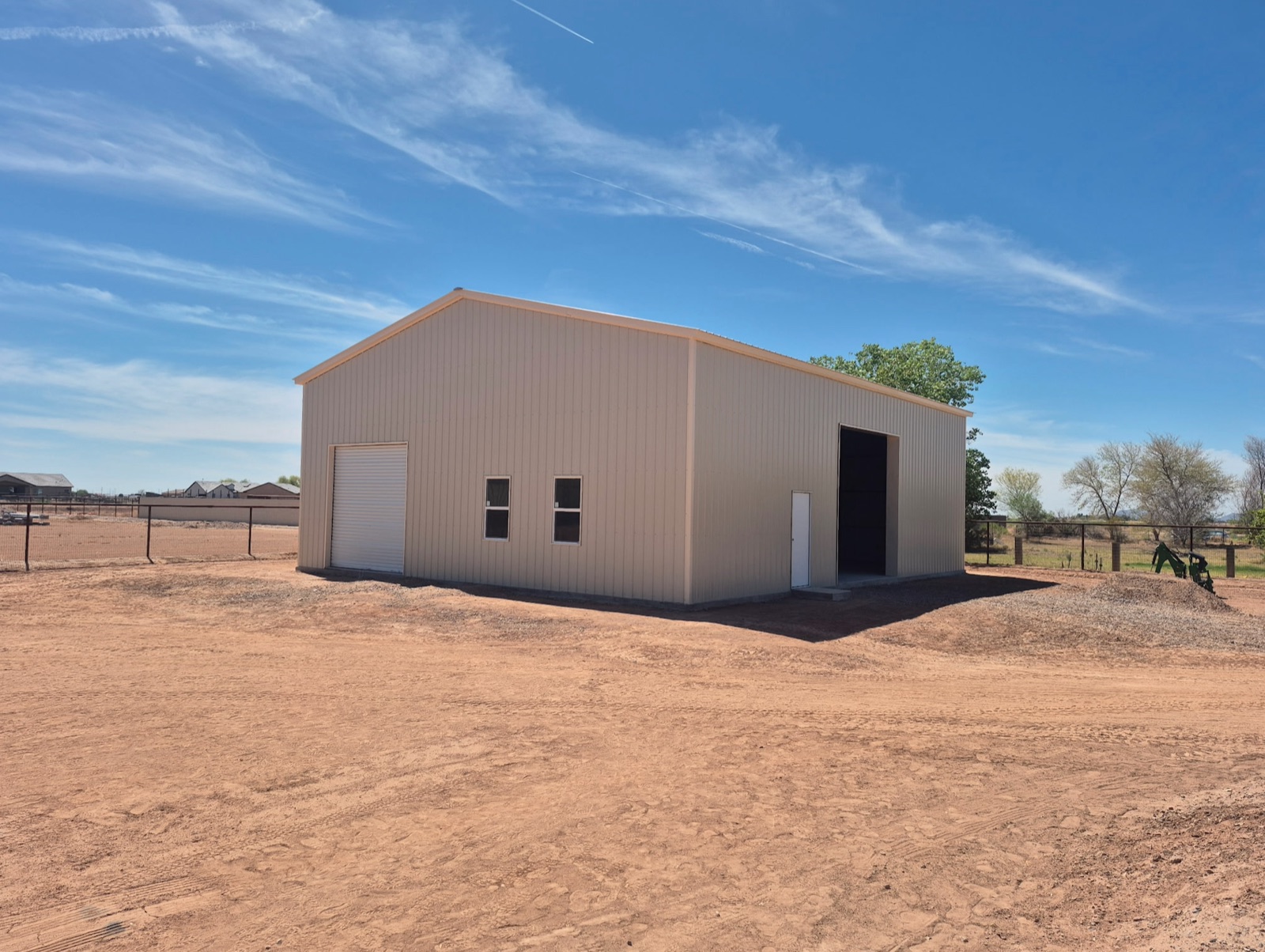
40′ × 50′ × 14′
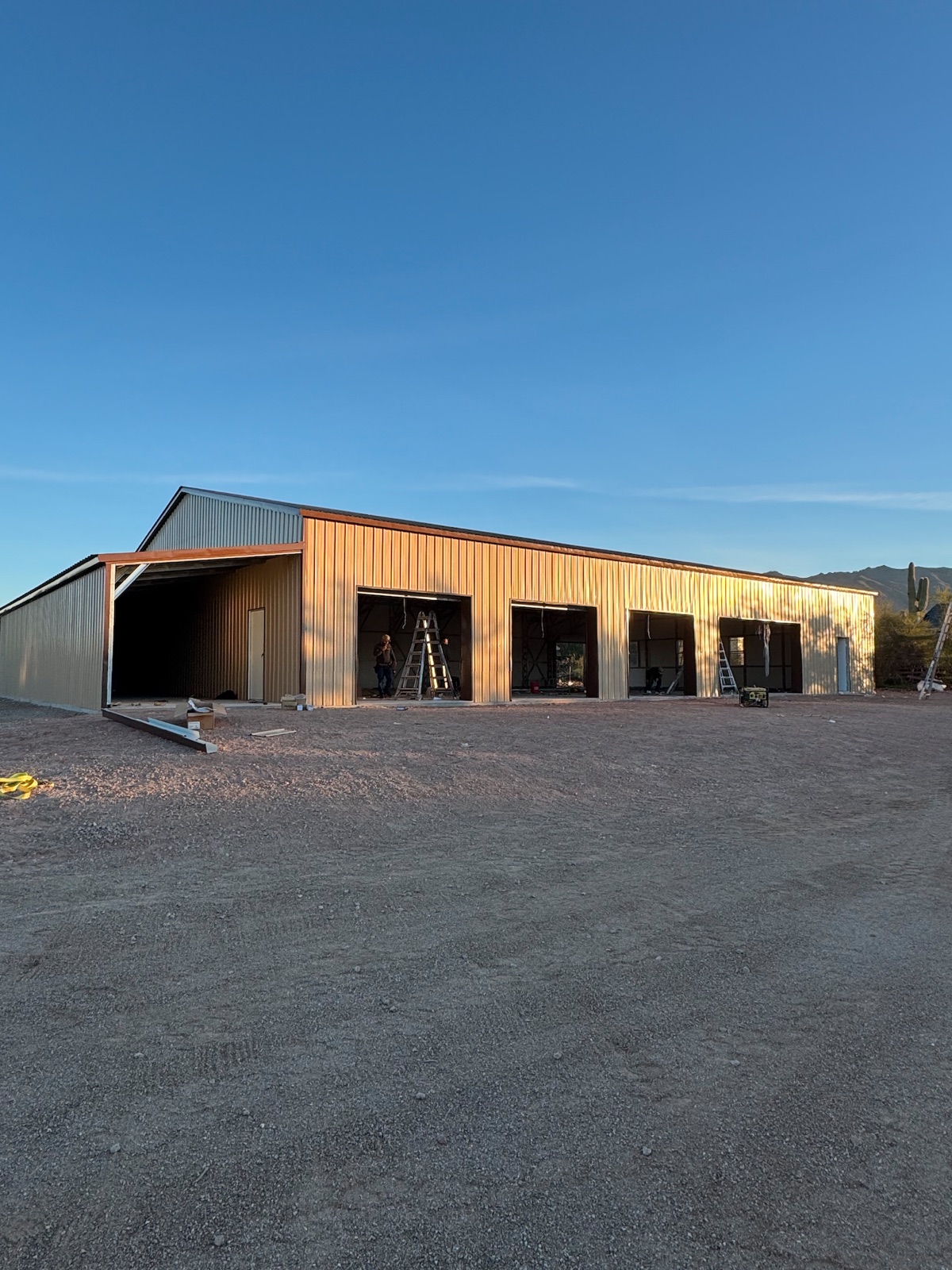
50′ × 80′ × 10′ + LEAN
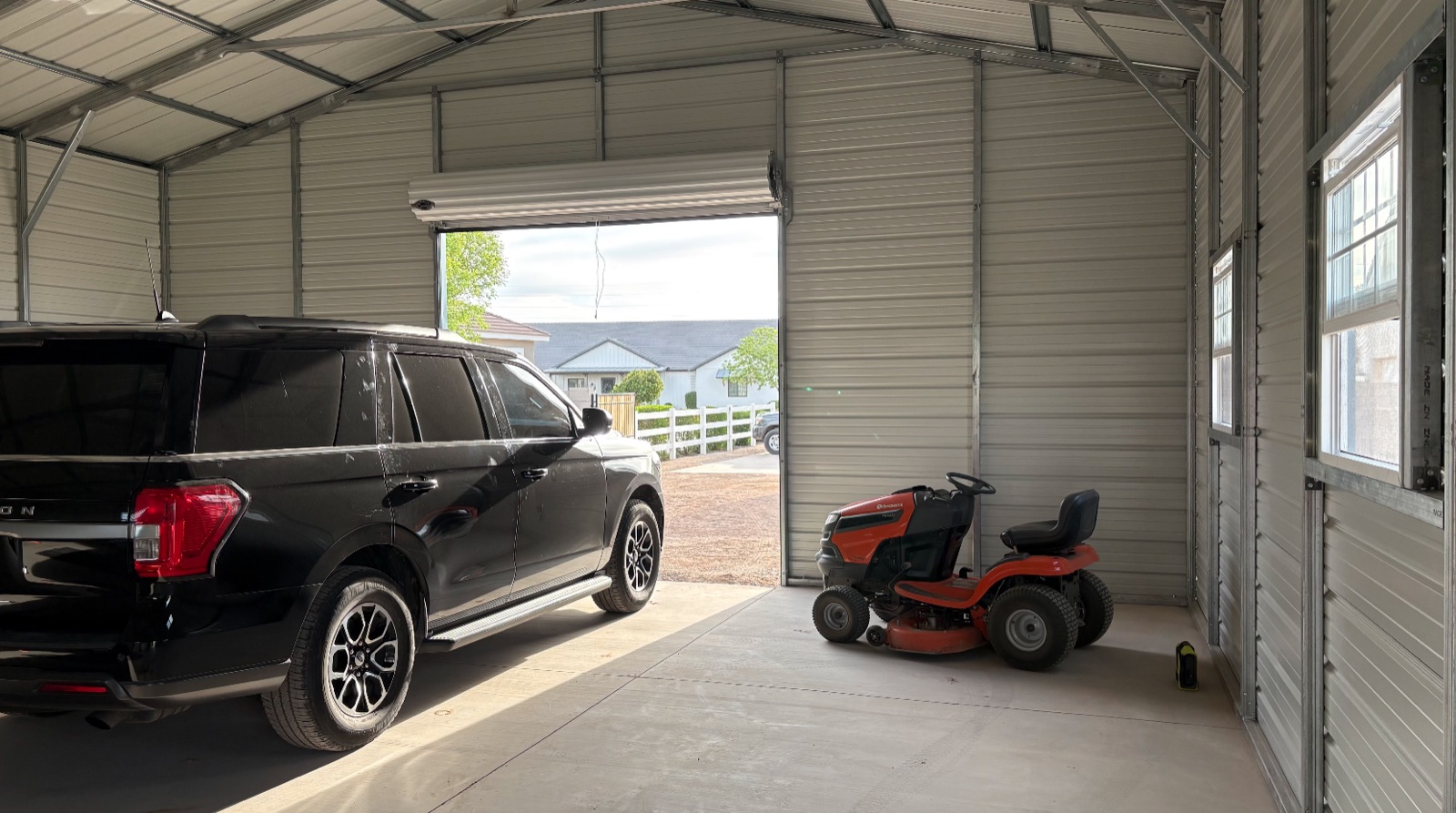
30′ × 40′ × 12′
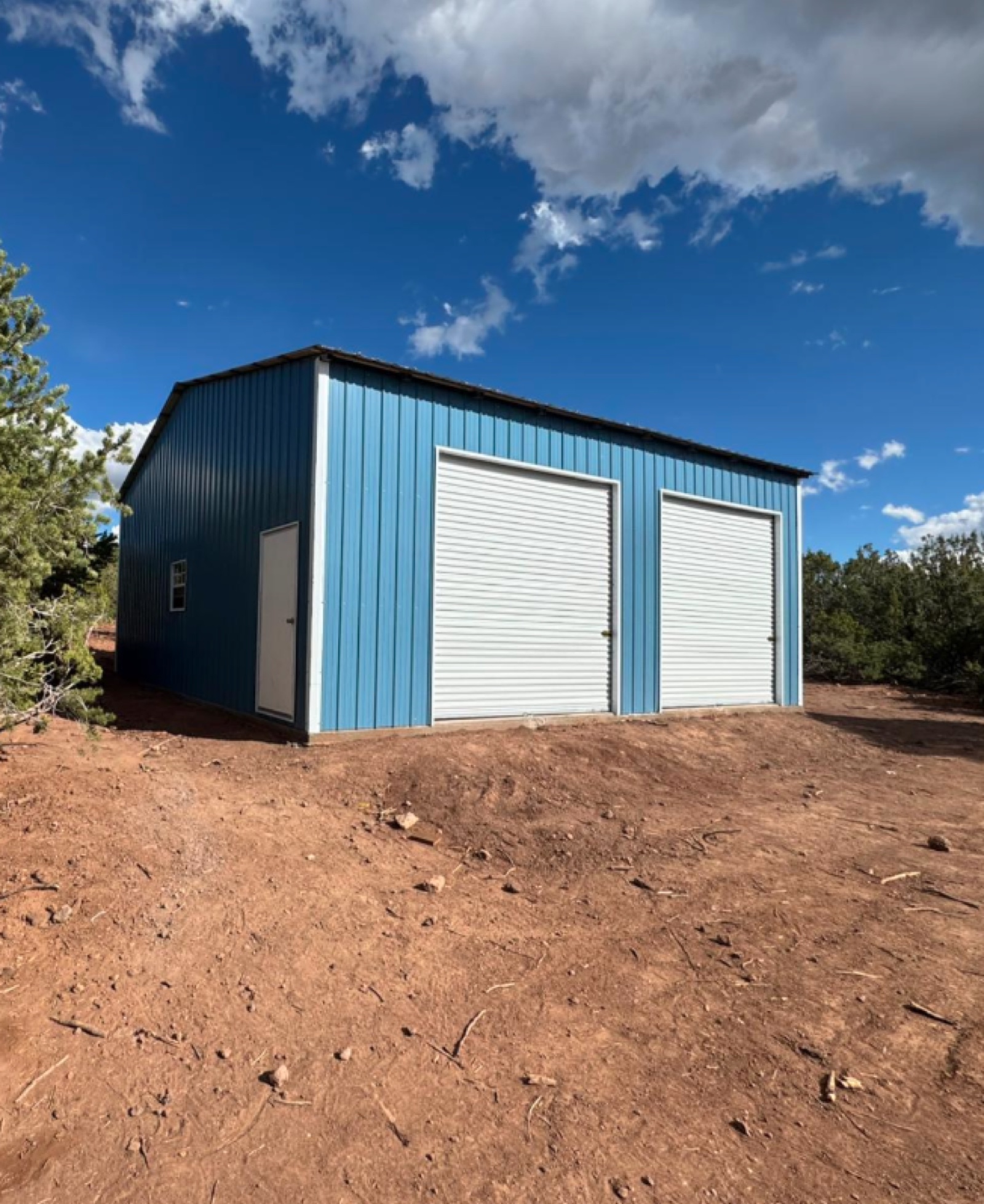
30′ × 30′ × 12′
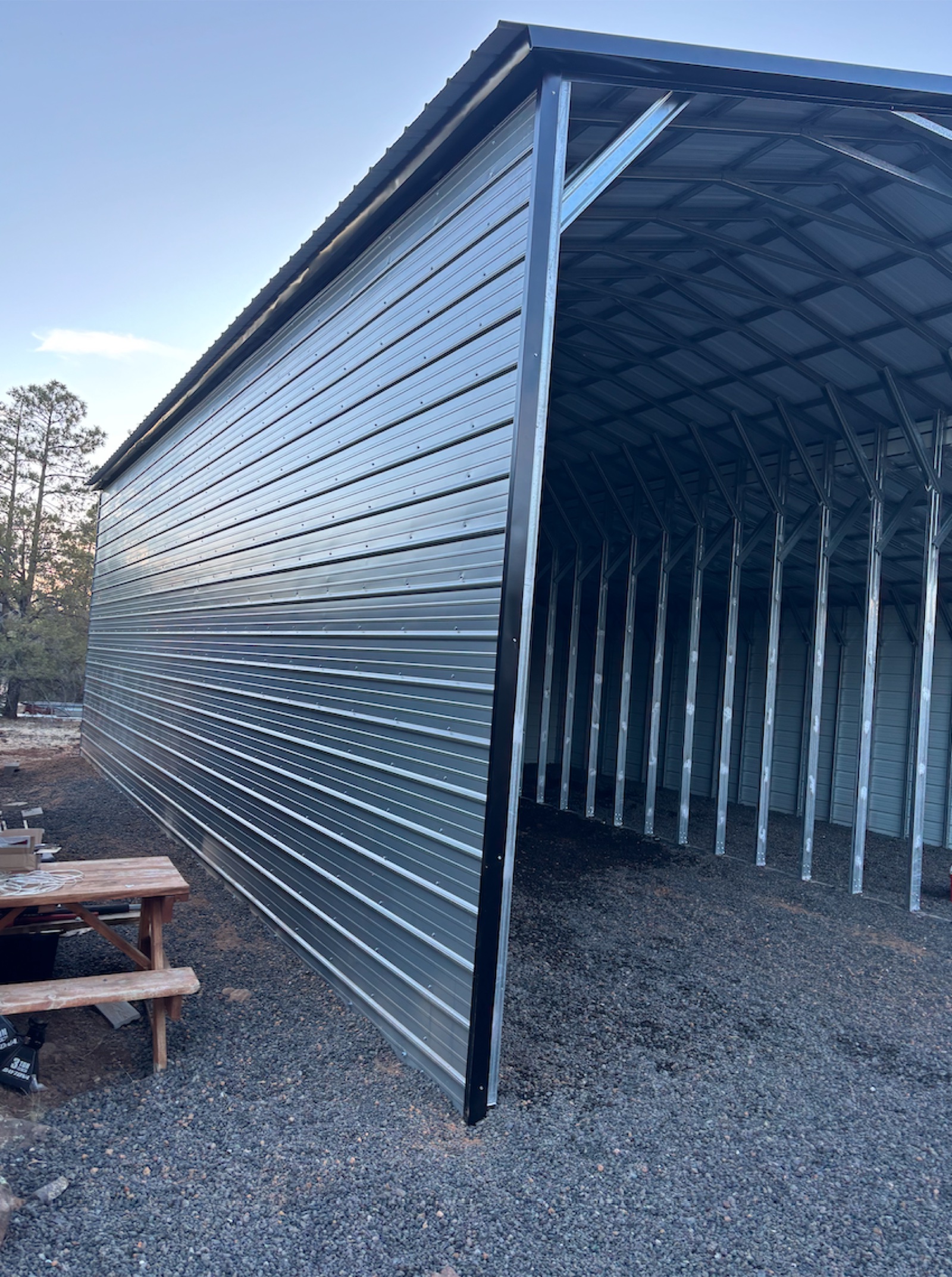
18′ × 45′ × 14′ + 12 × 45 LEAN
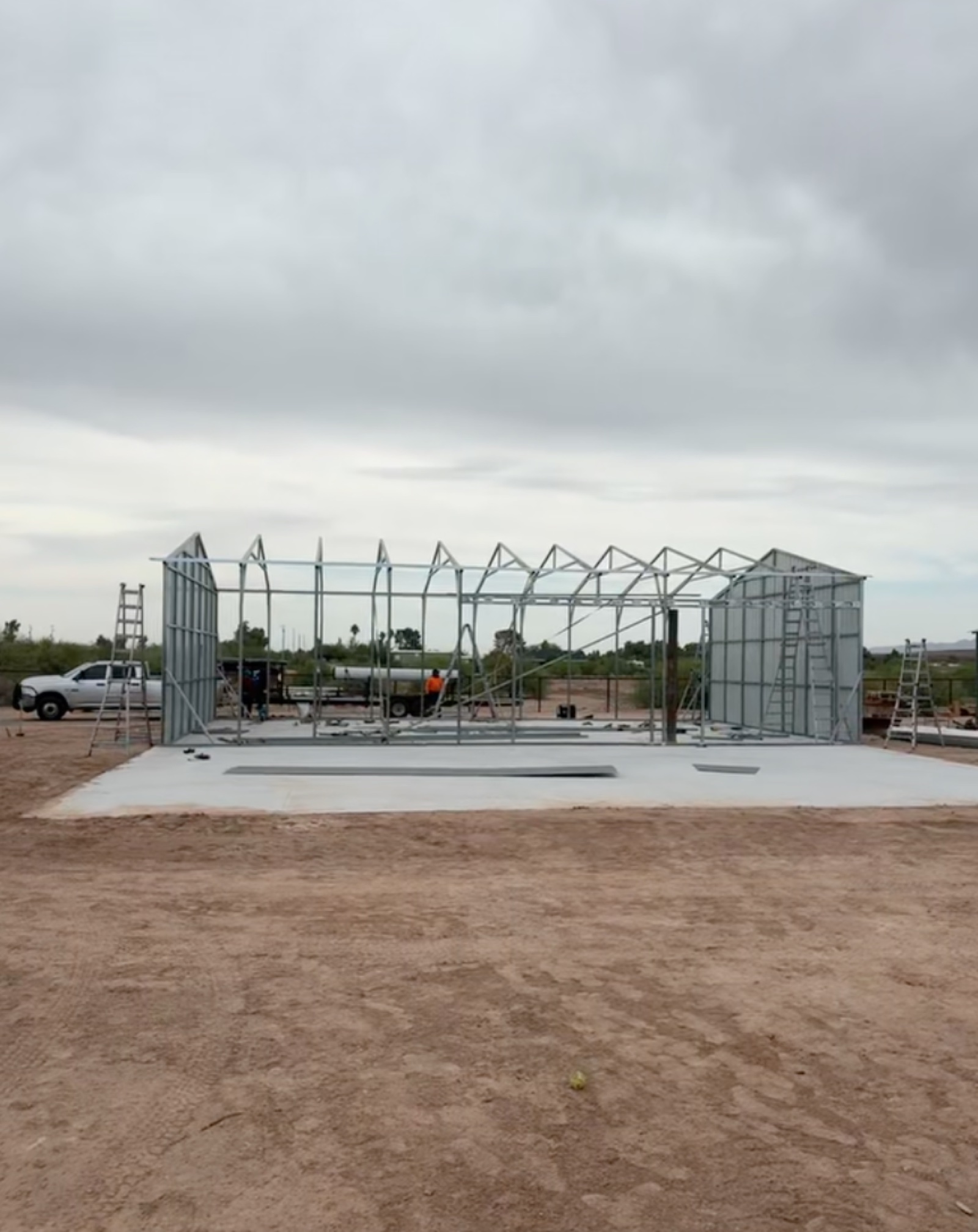
30′ × 50′ × 12′
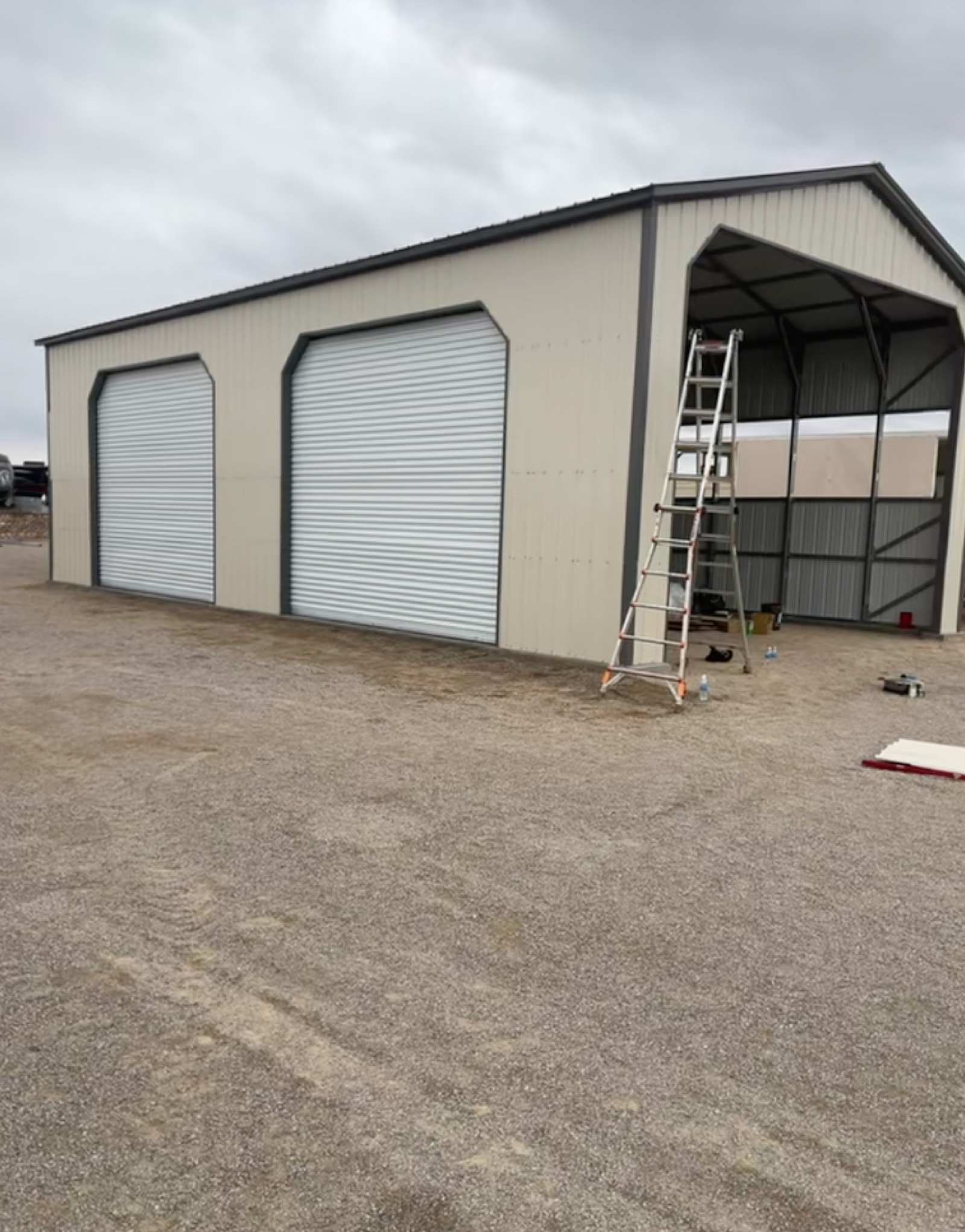
24′ × 46′ × 14′ RV GARAGE
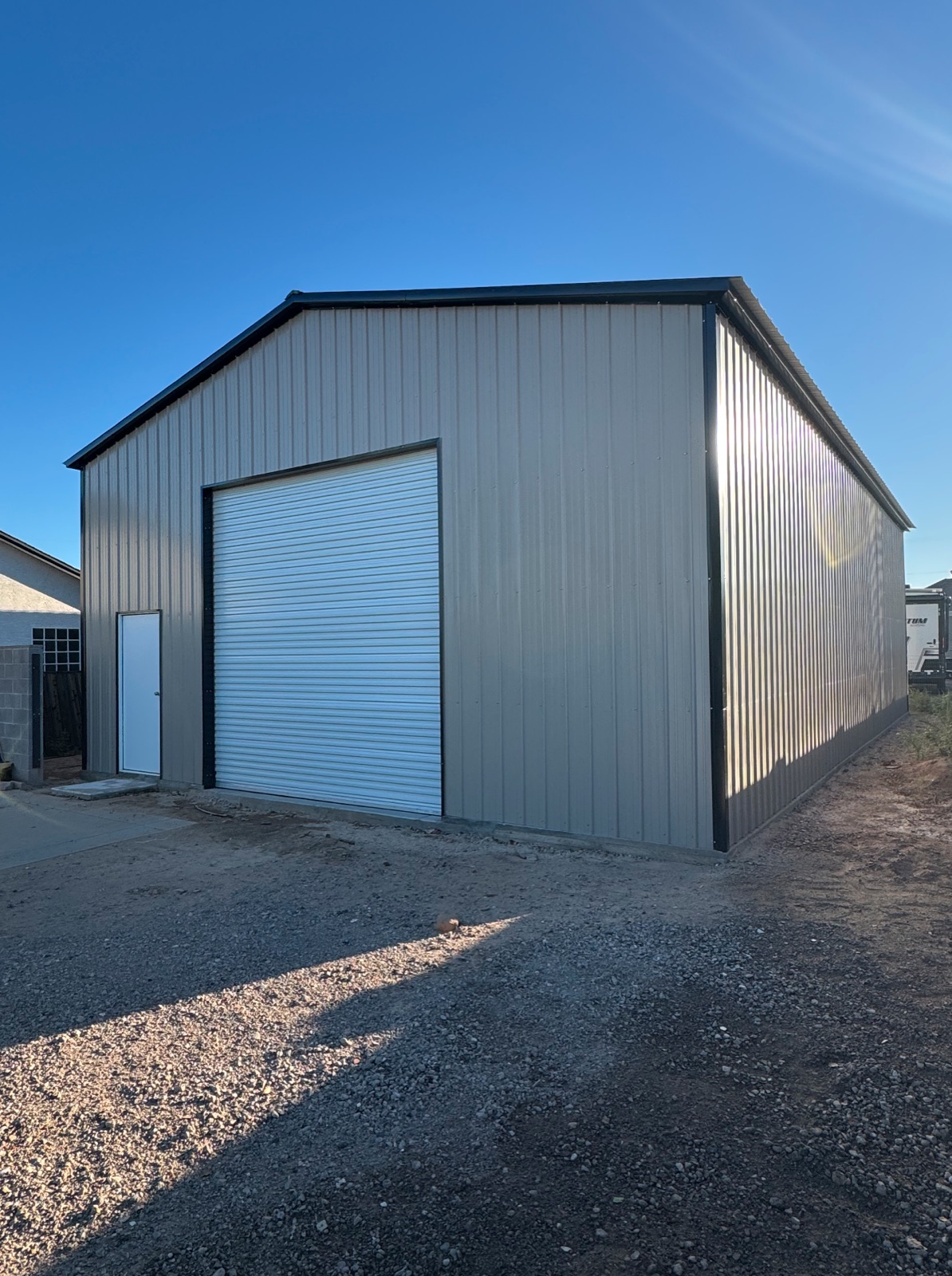
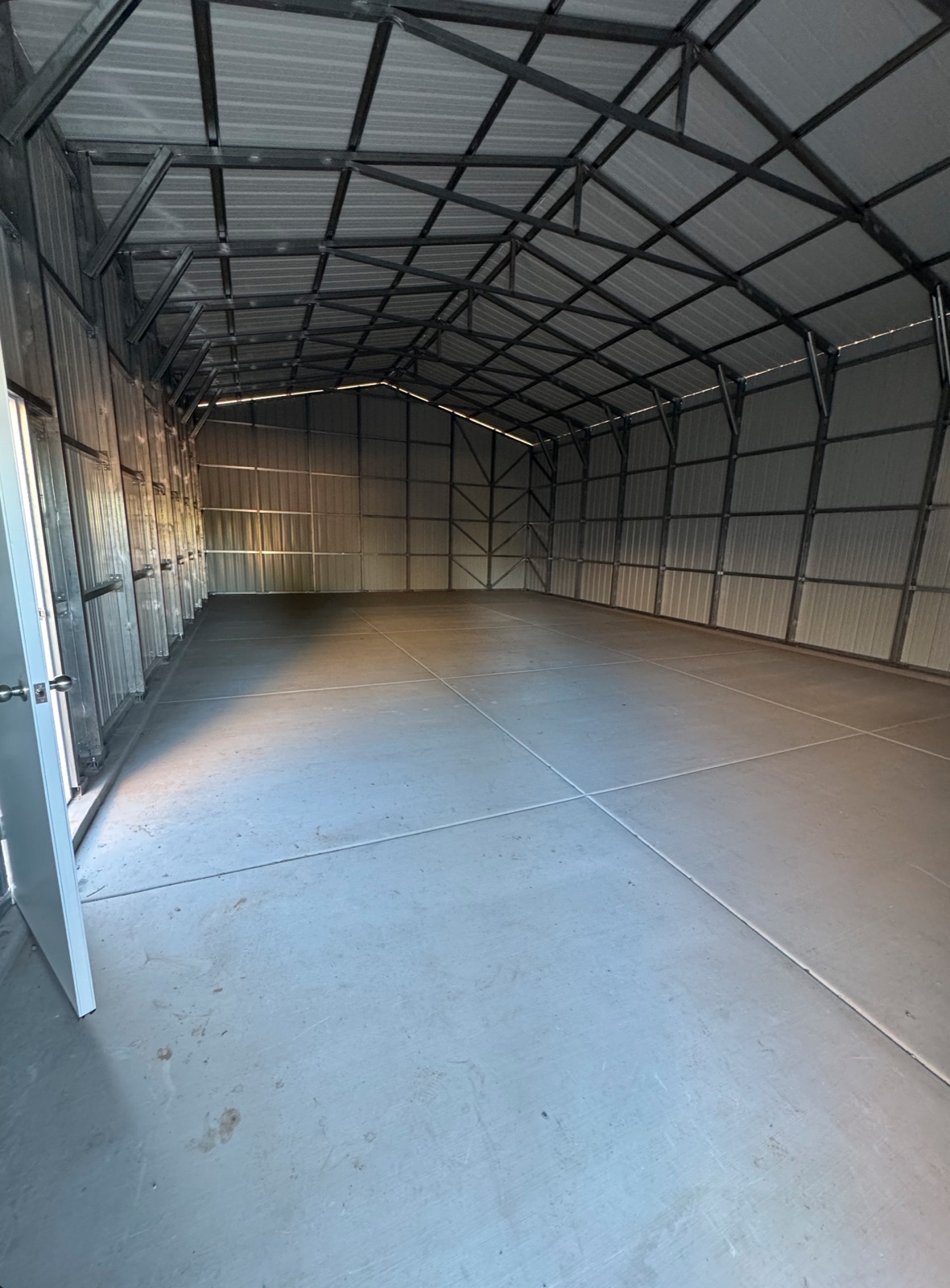
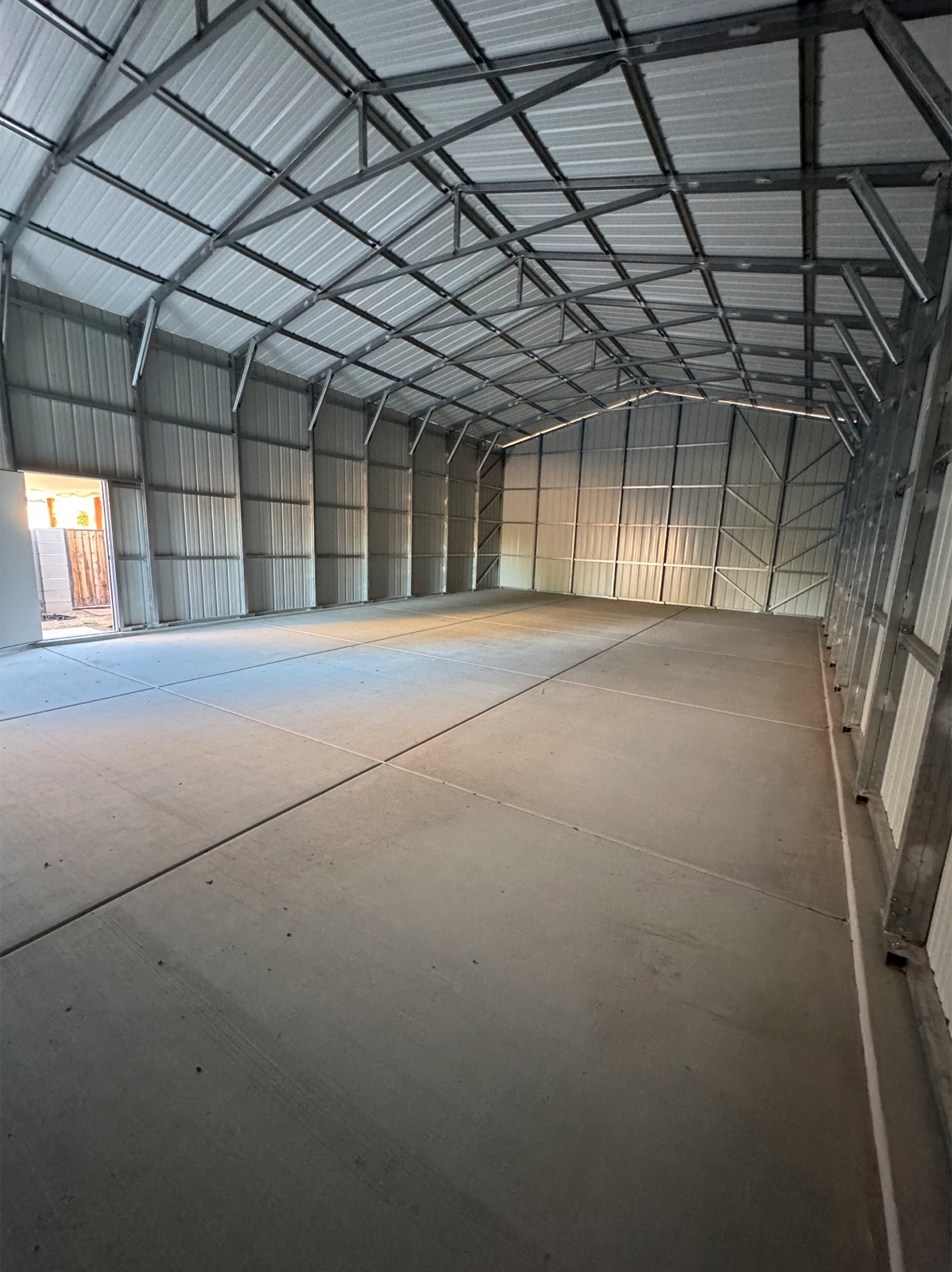
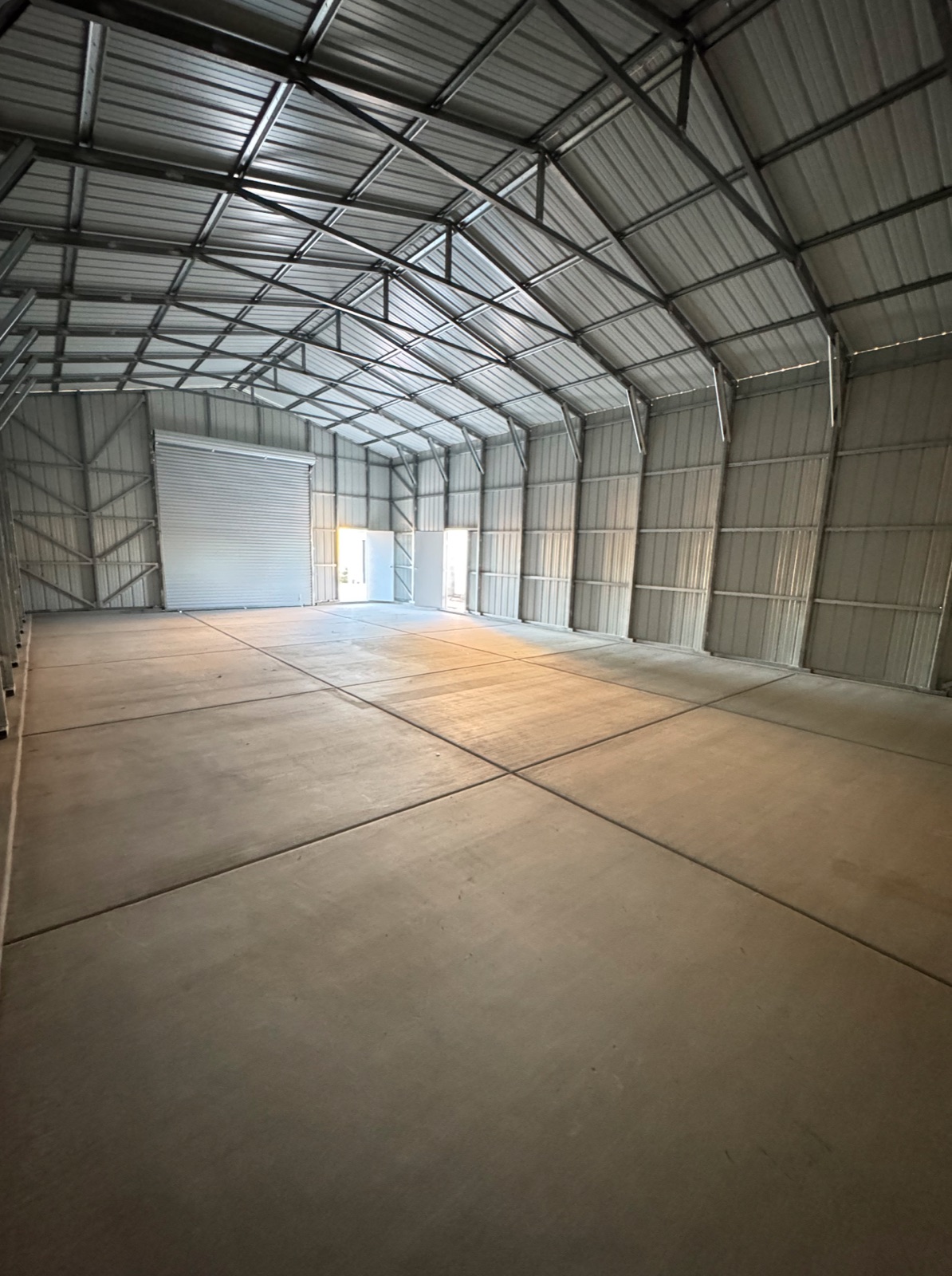
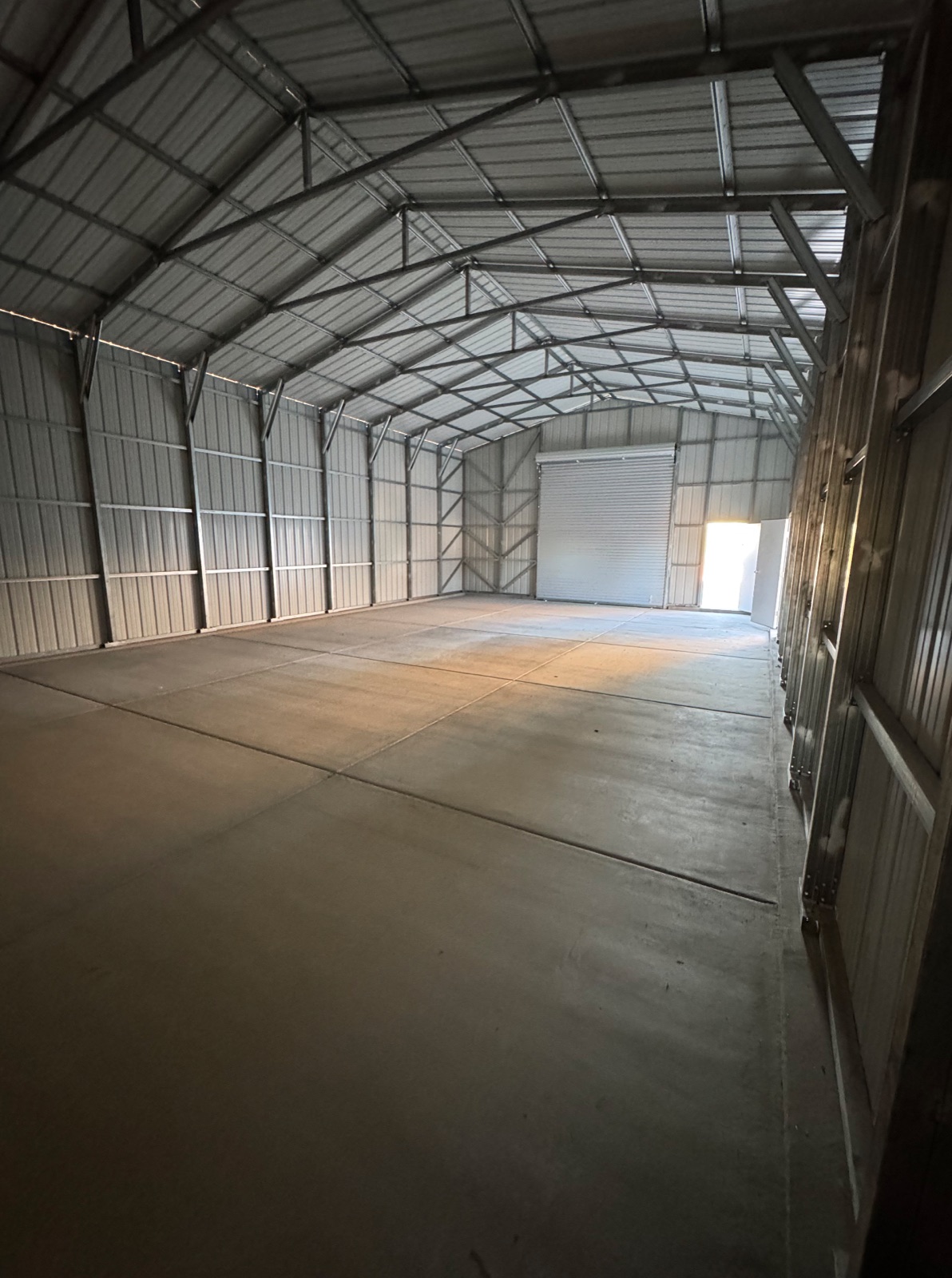
30 × 50 × 14 ft
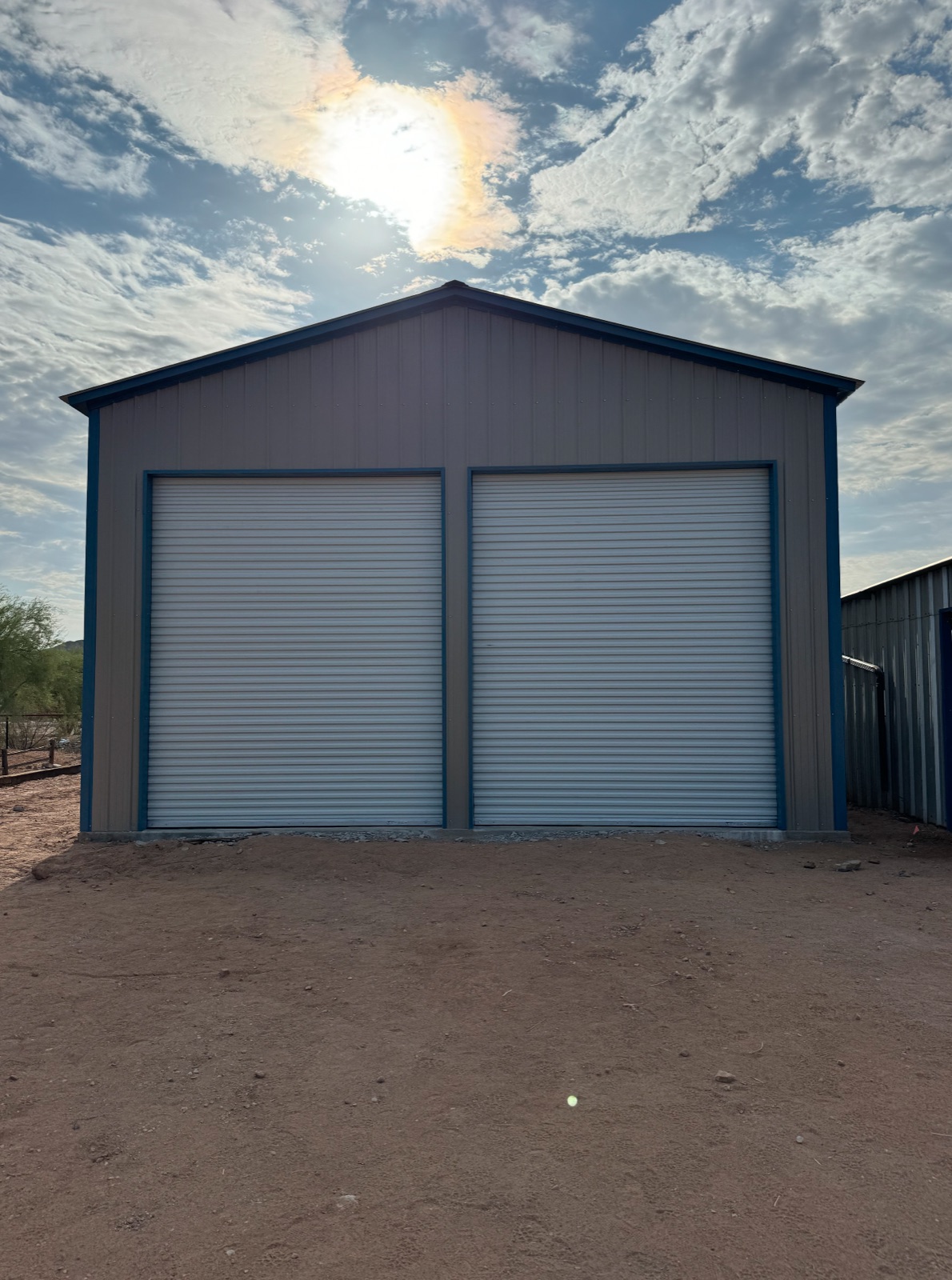
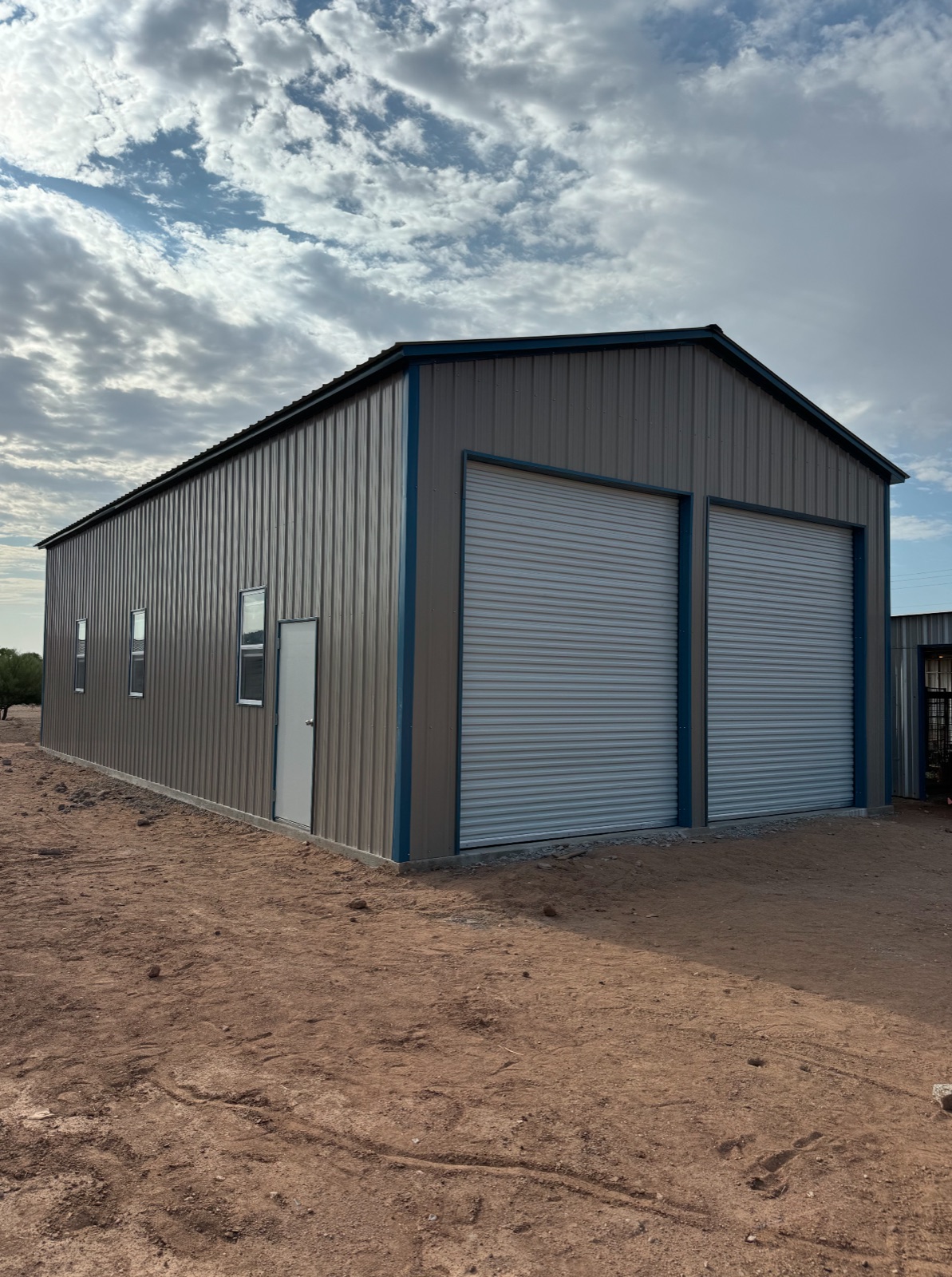
25 × 50 × 14 ft
20 × 25 × 12 ft
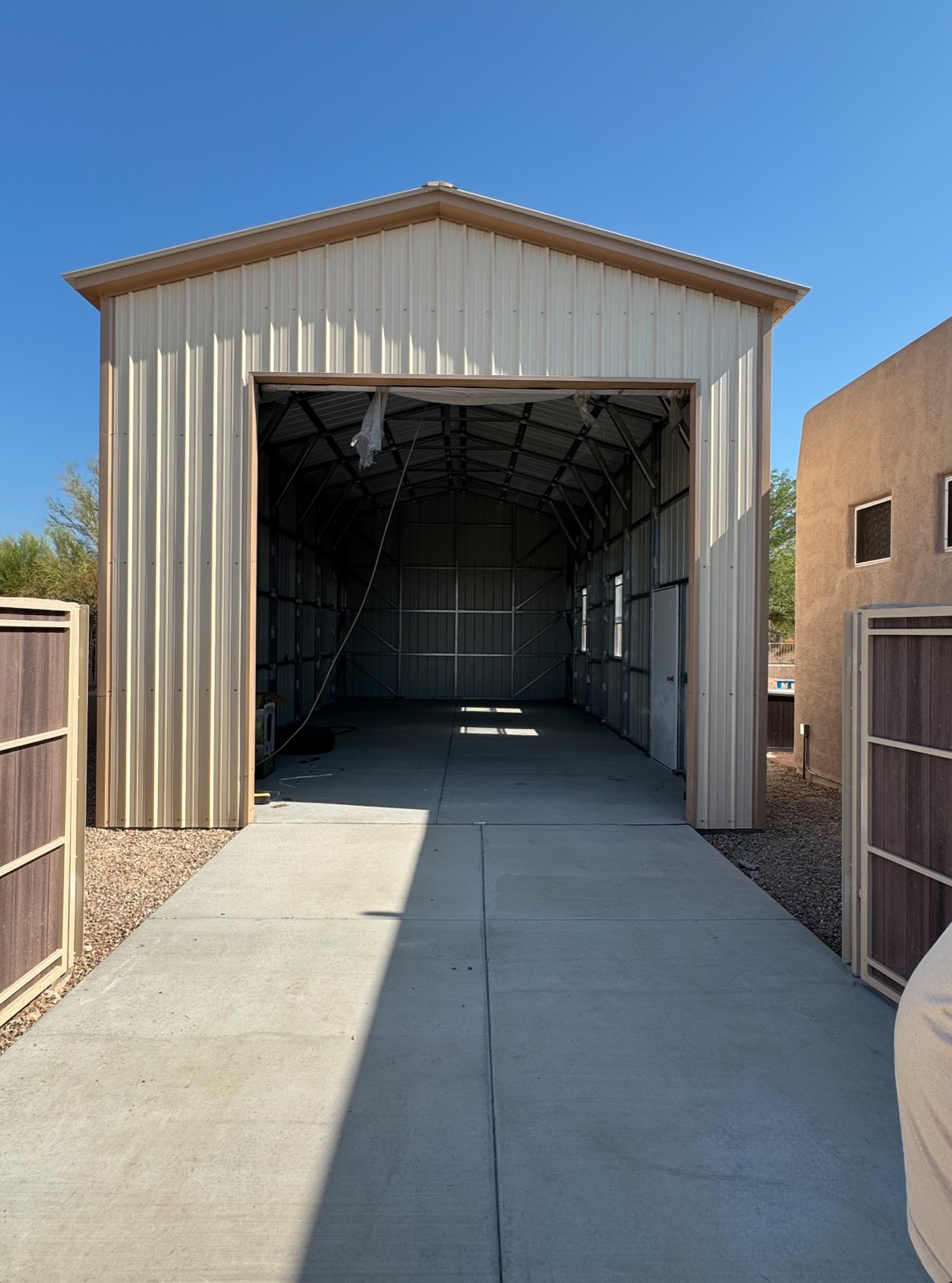
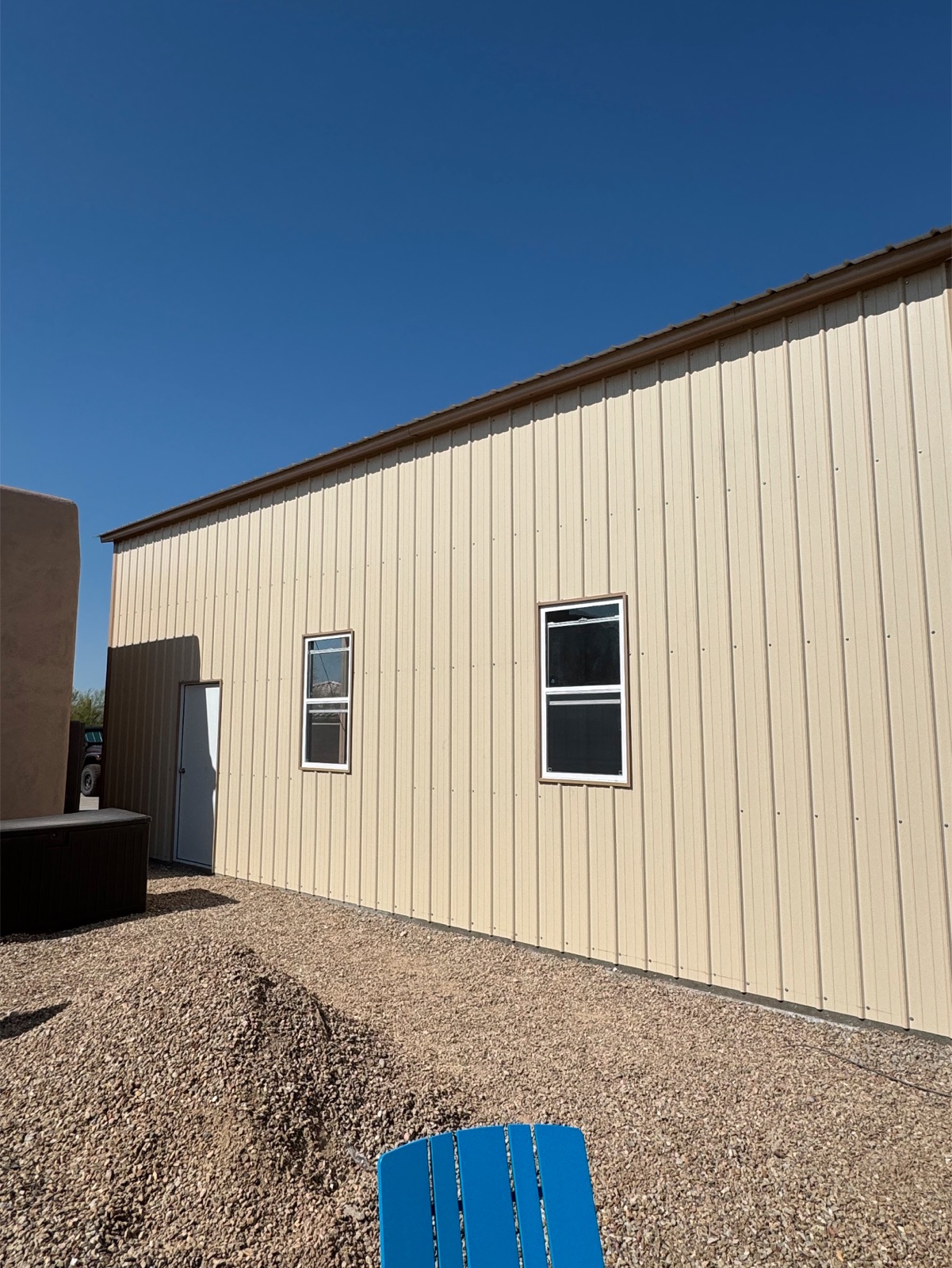
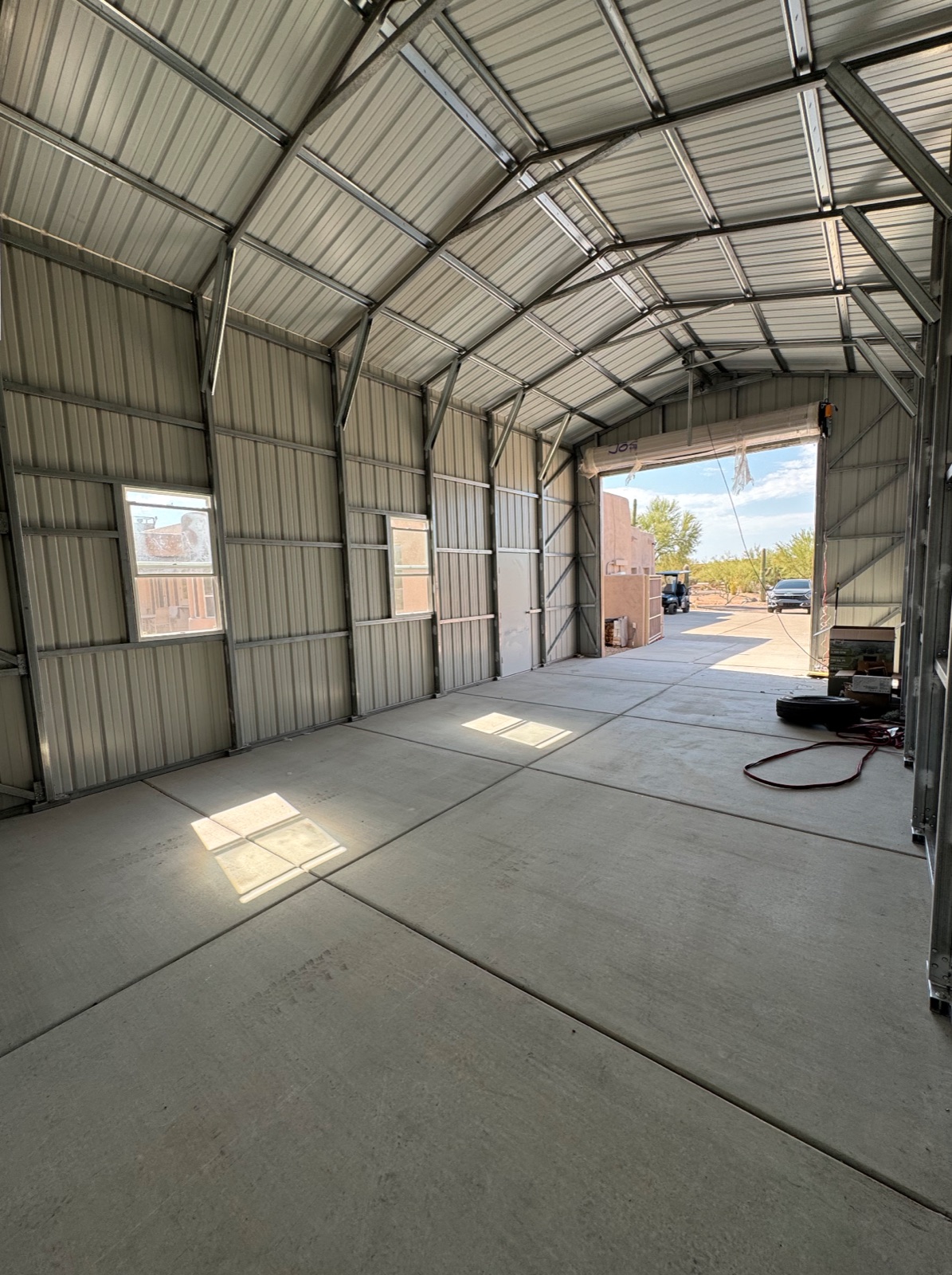
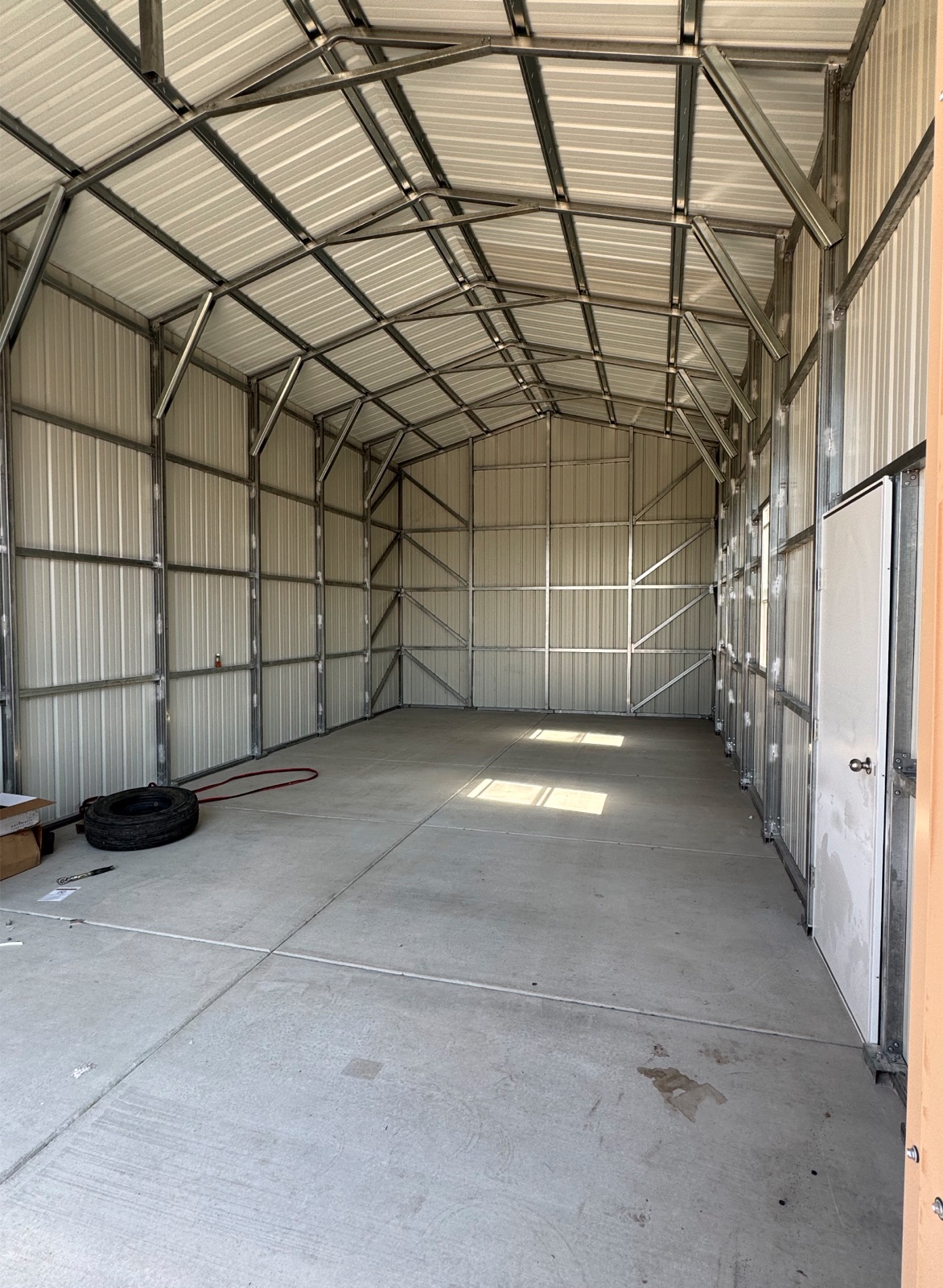
18 × 35 × 14 ft
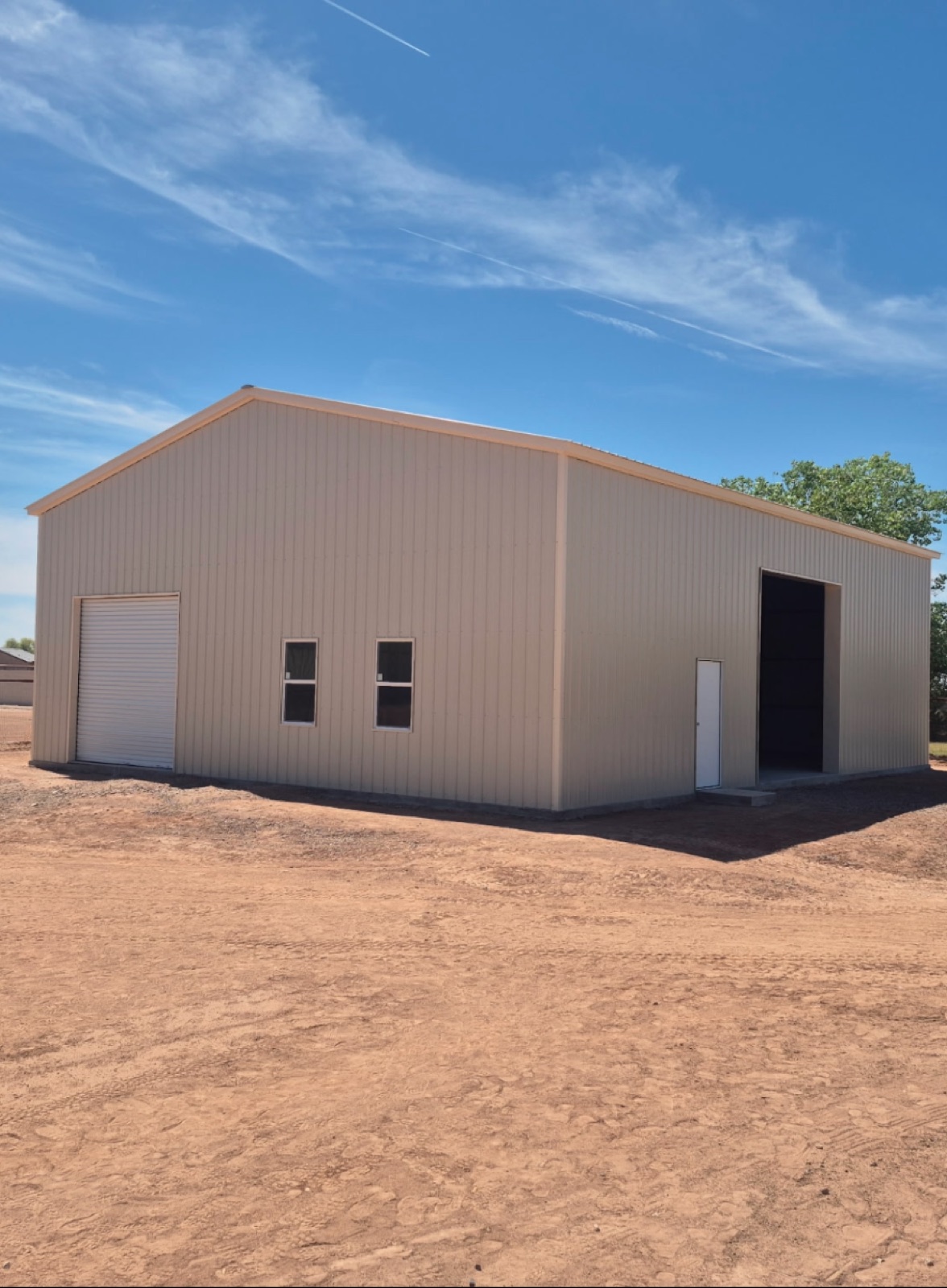
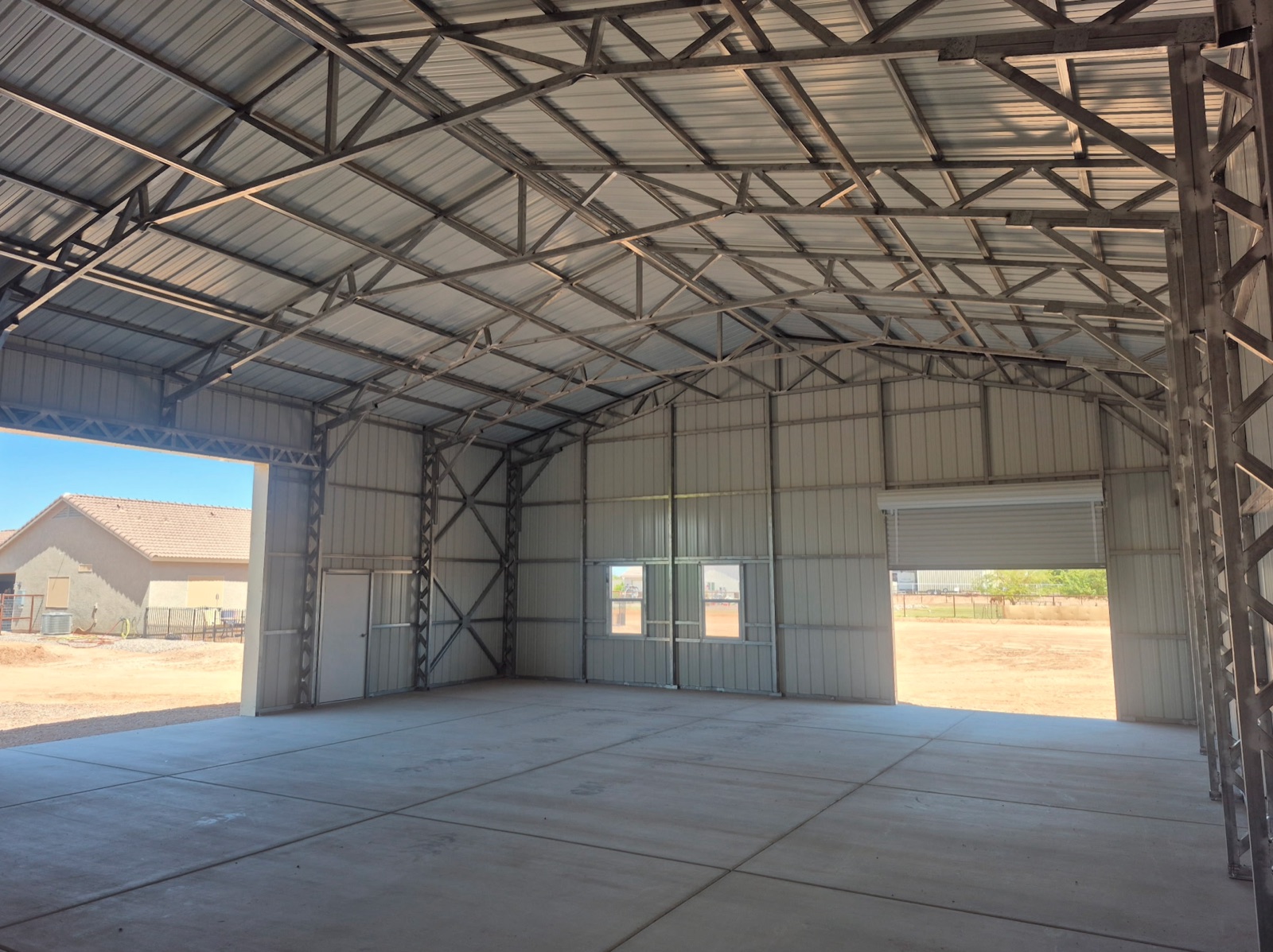
40 × 50 × 14 ft
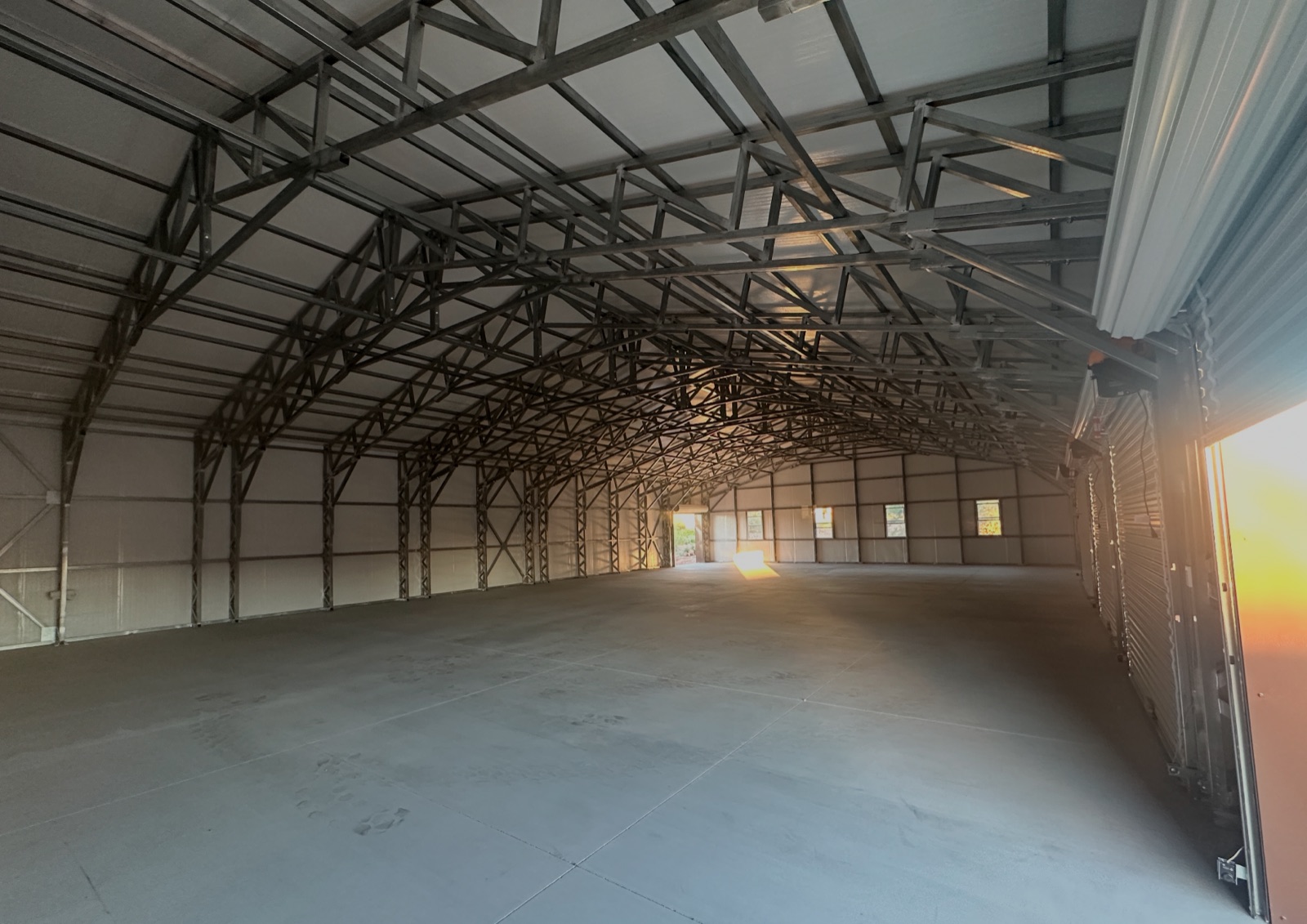
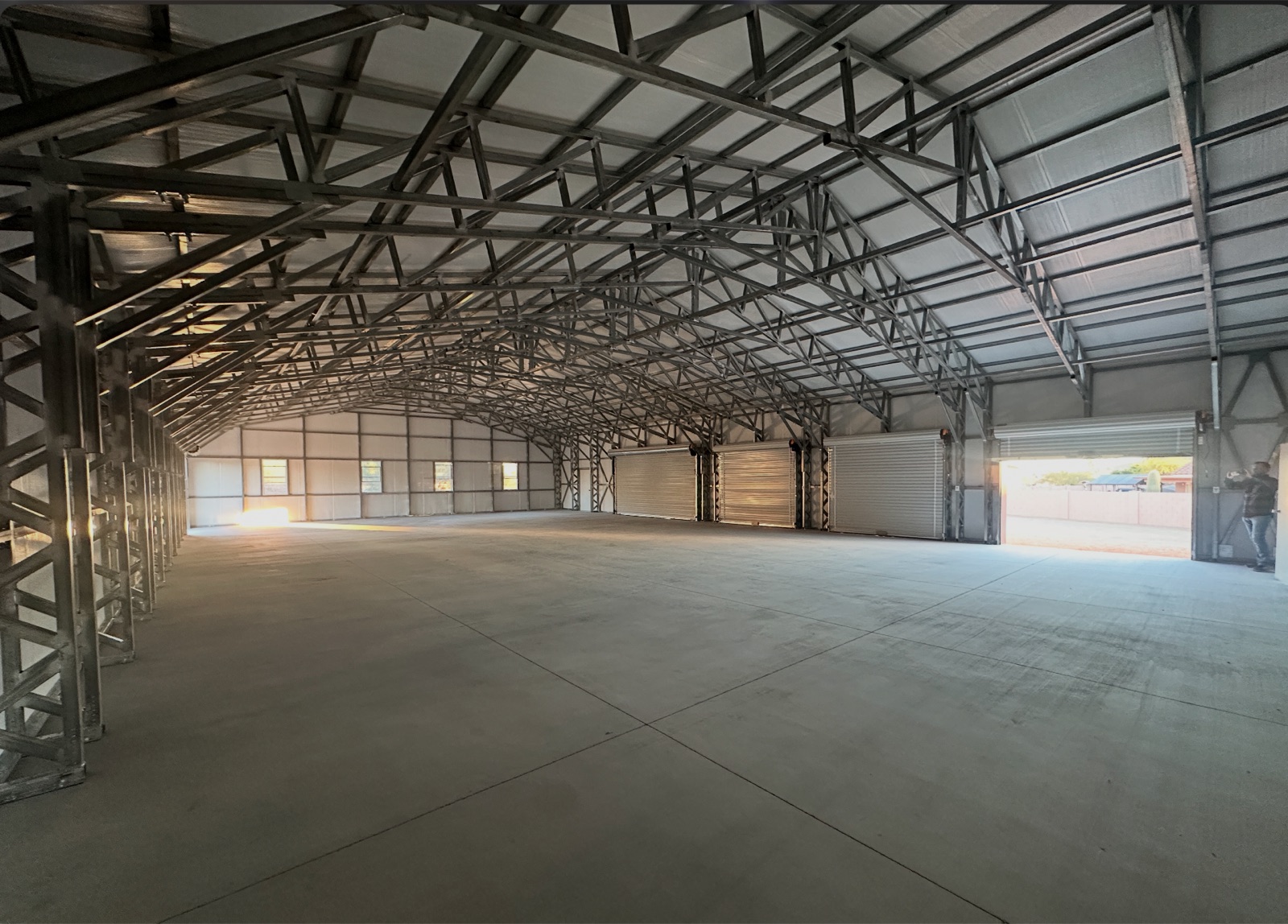
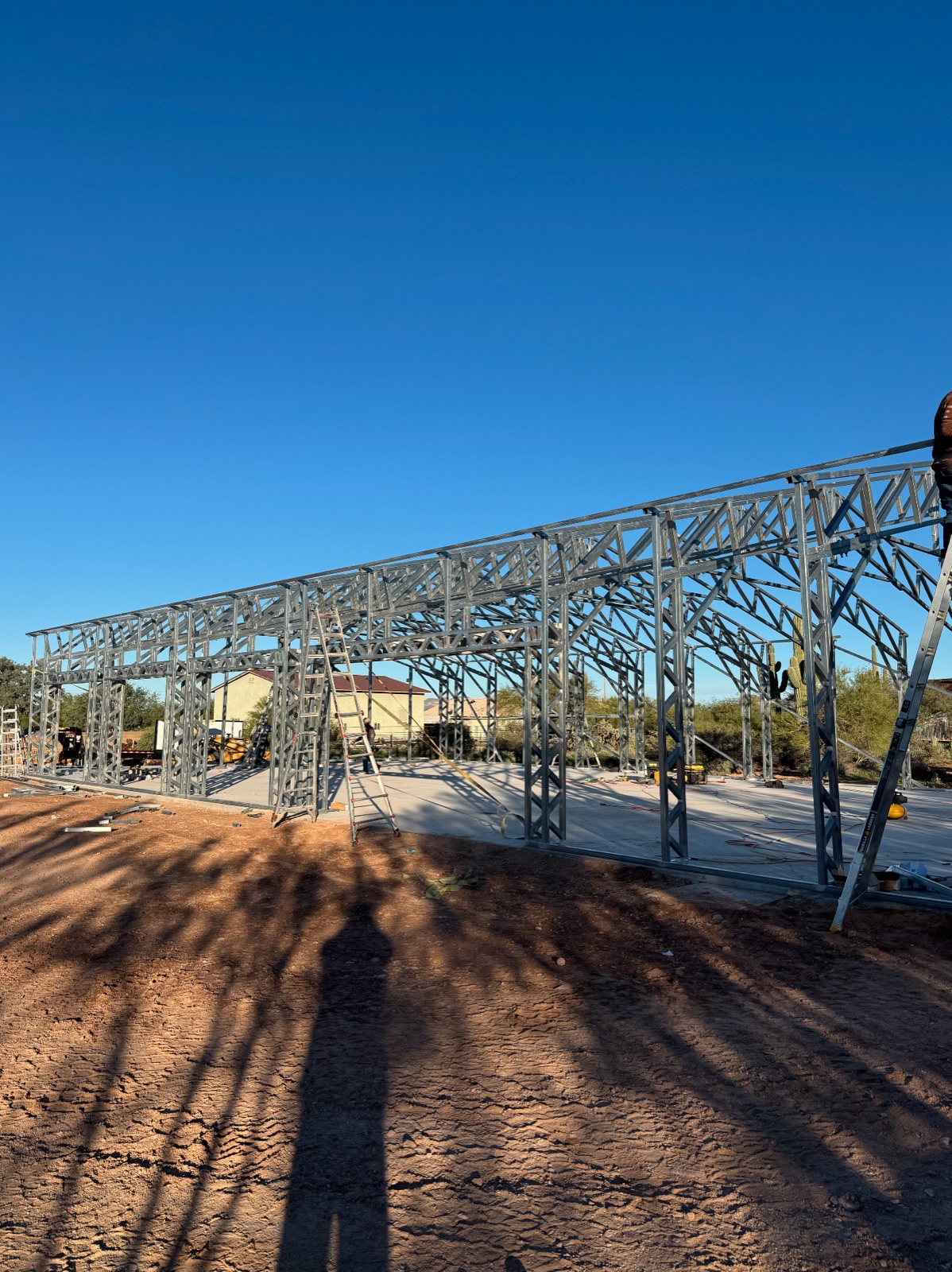
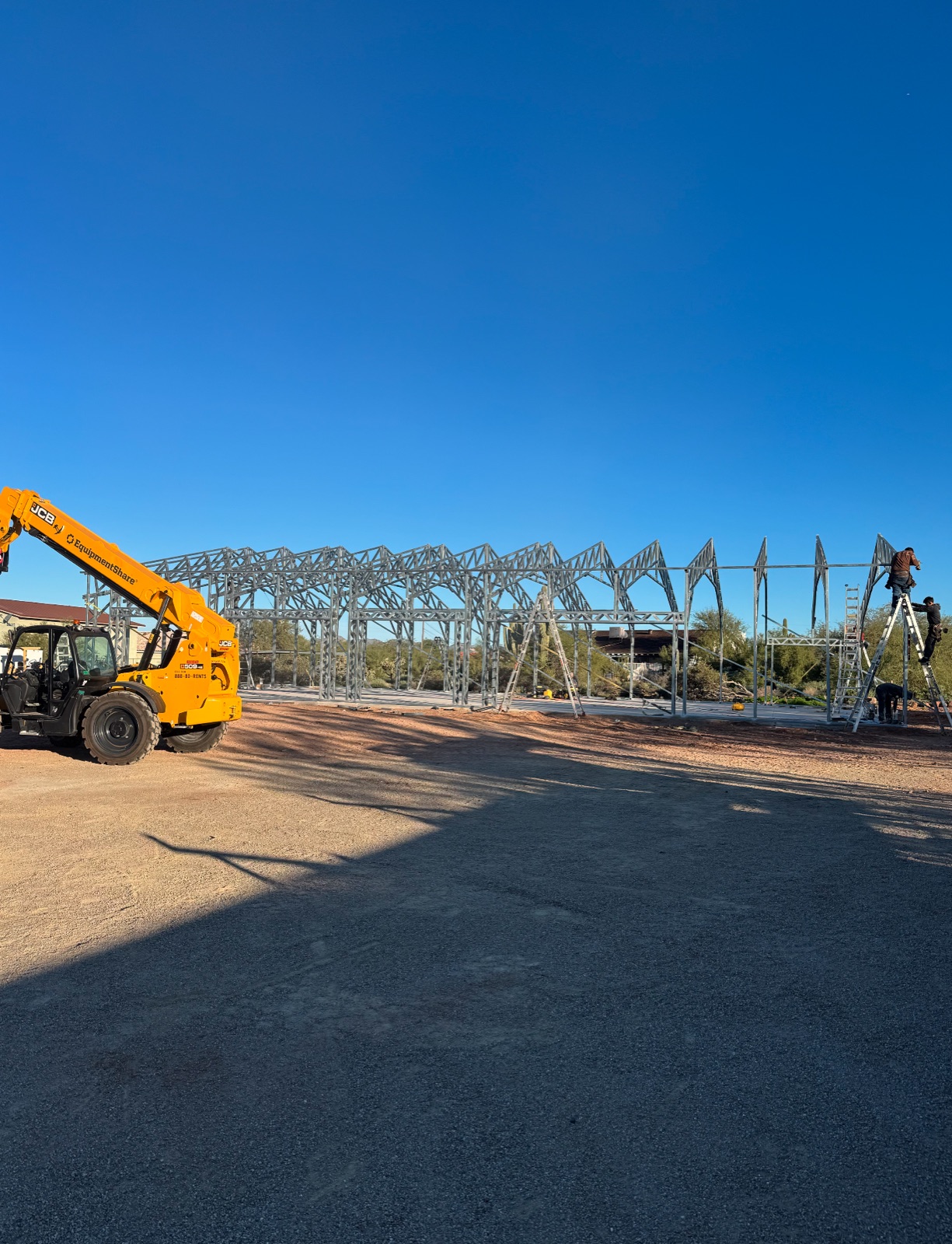
50 × 80 × 10 ft + 12 × 50 × 8 lean
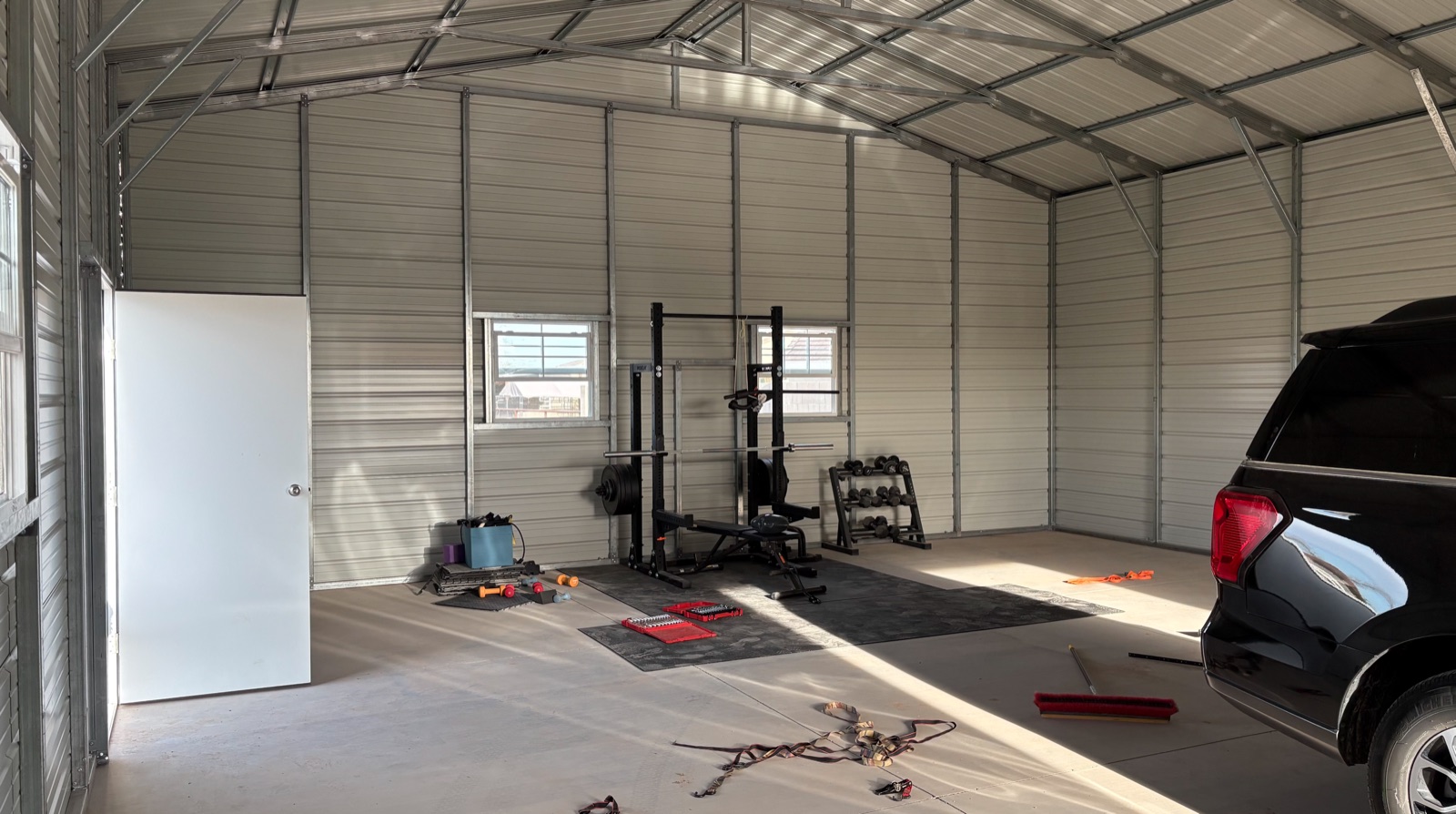
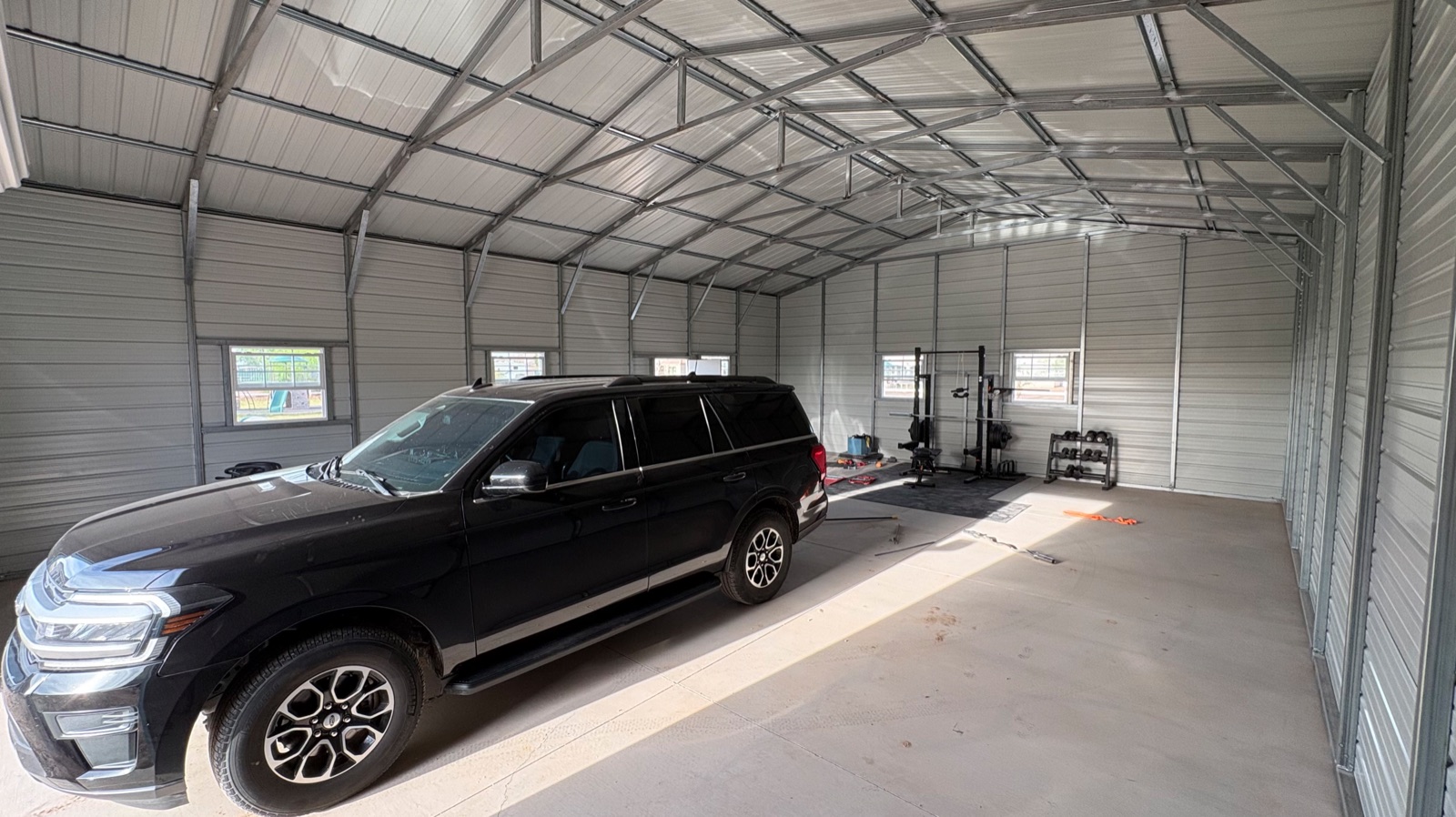
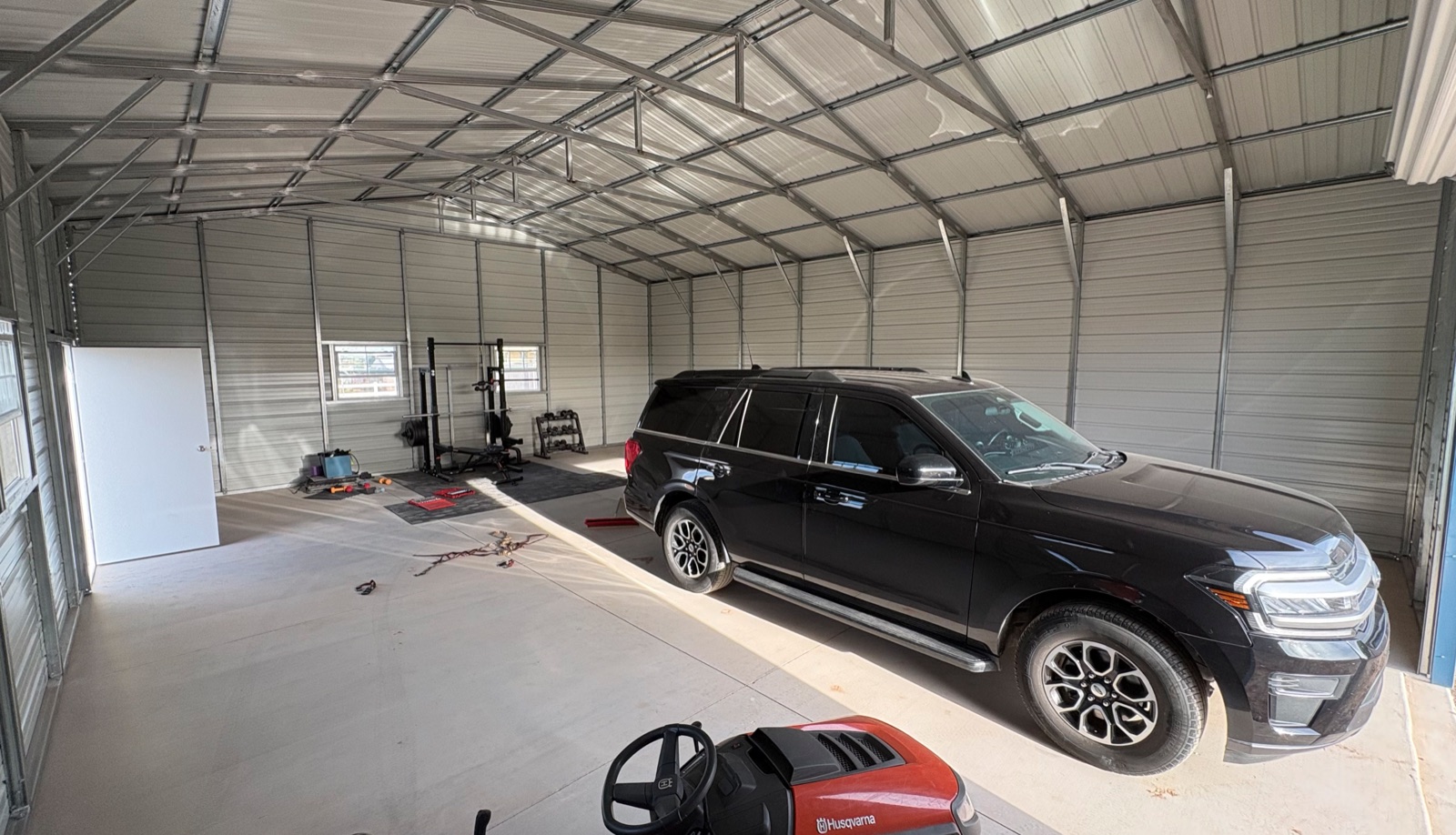
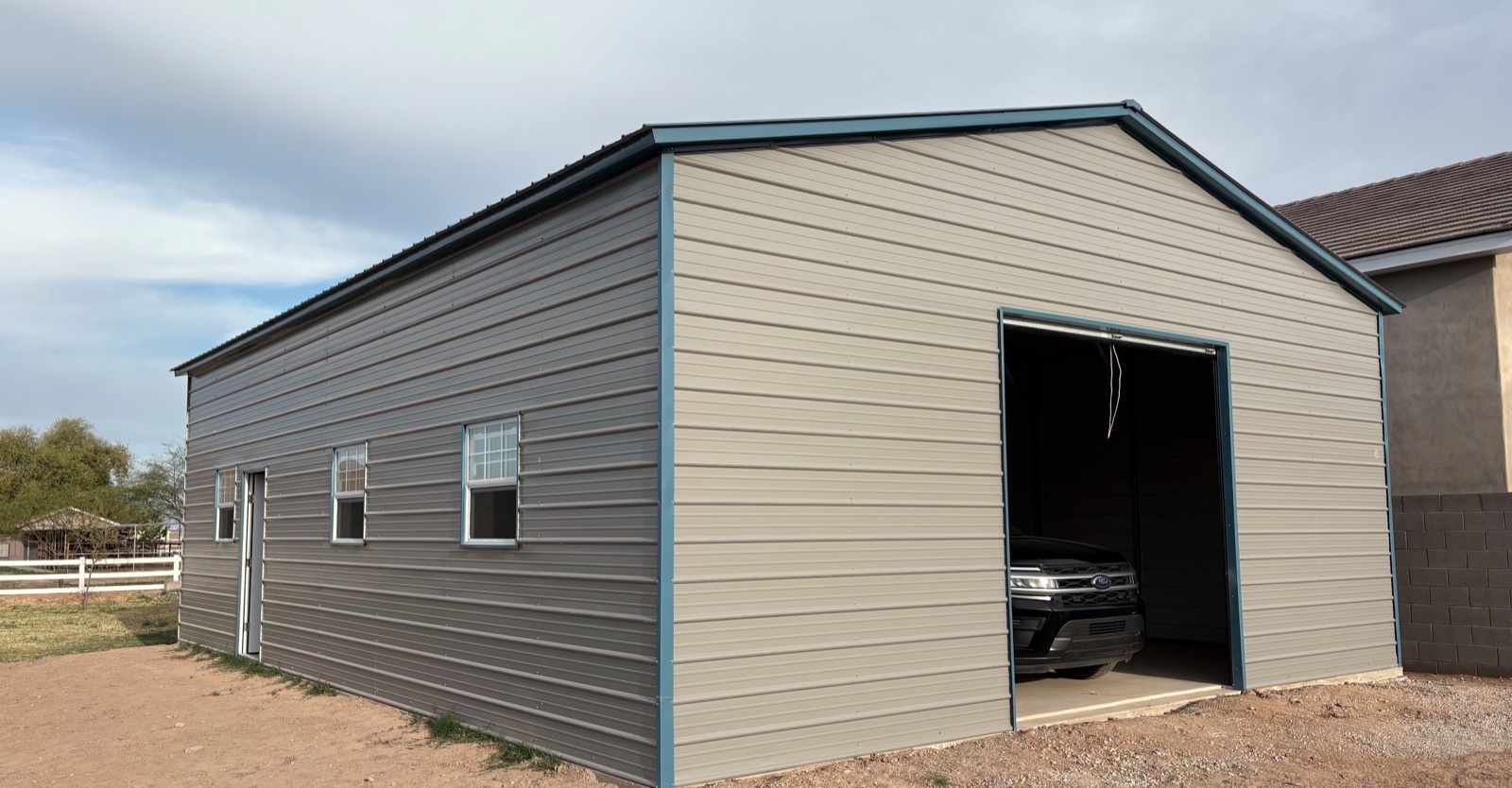
30 × 40 × 12 ft
Headquartered in Queen Creek — Chase's team builds from state line to state line. The red pins below mark recent project sites.
Outside Arizona? Call (928) 228-6154 to ask about your area.
Chase Williams started Arizona Premier Sheds and Metal Buildings after watching too many customers get burned by contractors who cut corners, used cheap materials, and disappeared after delivery. He built his business around a simple idea: treat every customer like you're building something for your own property.
We operate across Arizona — from state line to state line. Our buildings get engineer certified and permitted through your local municipality. If a contractor is offering you a way around any of those things, that's a problem — not a shortcut.
Our buildings are built to a standard we can stand behind. We've seen what the alternatives look like — baking through a few blazing summers in central Arizona or weathering cold winters up in elevation. The right steel, the right frame, the right foundation holds up to all of it.
If you have a question, Chase picks up the phone. That's not a marketing line — it's genuinely how the business works.

Chase Williams
Owner, Arizona Premier Sheds and Metal Buildings
Direct line. Real answers. Building in Arizona since 2019.
(928) 228-6154